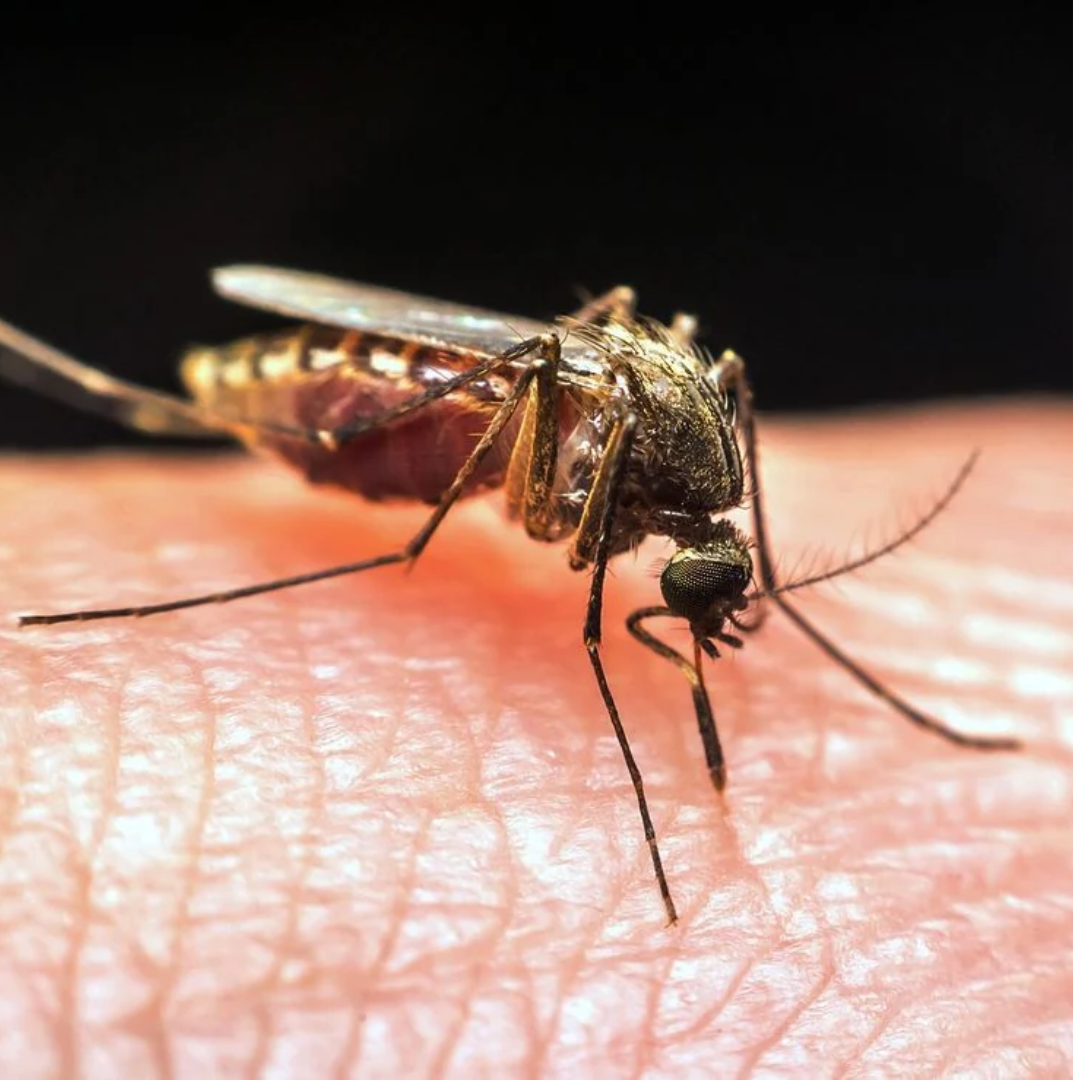
Gauteng health authorities have issued an urgent malaria warning following a significant increase in infections and deaths across the province, with 17 people reportedly dying from the disease between January and September 2026.
According to the Gauteng Department of Health, the province recorded 768 malaria cases during the first nine months of this year, representing a 38.6% increase compared to the 554 cases recorded during the same period in 2025. Deaths also increased from six to 17 over the corresponding period, raising concerns about the growing impact of the disease.
Cross-Border Travel Linked To Rising Deaths
Health officials have highlighted cross-border travel as a major contributing factor to the increase in malaria-related cases and deaths.
Of the 17 people who died, 15 had travelled to countries within the Southern African Development Community (SADC) region before becoming ill. Mozambique was linked to approximately 59% of the reported deaths, highlighting the risks faced by South Africans travelling to malaria-prone destinations.
Although Gauteng is classified as a non-malaria-endemic province, residents remain vulnerable when travelling to areas where the disease is prevalent. People can also develop symptoms after returning home, making it important to inform healthcare workers about recent travel.
Symptoms Residents Should Look Out For
The Department of Health has urged residents to familiarise themselves with the symptoms of malaria and seek medical assistance immediately if they become unwell during or after visiting a high-risk area.
Common symptoms include fever, chills, headaches, muscle aches, nausea and vomiting. Malaria can become life-threatening if it is not diagnosed and treated promptly.
The department has specifically warned travellers not to dismiss these symptoms as ordinary flu, particularly if they have recently visited a malaria-endemic country.
Health Authorities Strengthen Prevention Measures
In response to the rising numbers, the Gauteng Department of Health has intensified its malaria prevention, awareness and monitoring activities across the province’s five health districts.
Environmental health practitioners are investigating reported cases to establish where infections may have occurred and classify them as imported or odyssean cases. The department is also conducting audits of malaria-related deaths to identify contributing factors and improve its response.
Awareness campaigns have been expanded at taxi ranks, bus stations and other public spaces, particularly ahead of the festive season when cross-border travel is expected to increase.
The department is also working alongside municipalities, the National Institute for Communicable Diseases (NICD) and the National Department of Health to strengthen surveillance and disease prevention.
Travellers Urged To Take Precautions
With the festive season approaching, residents planning to travel to Mozambique and other malaria-endemic destinations are encouraged to visit travel clinics before their journeys for advice on appropriate malaria prevention medication.
Travellers should also use mosquito repellent, wear clothing that covers exposed skin, and sleep under insecticide-treated mosquito nets where appropriate.
Health authorities emphasise that malaria is preventable and treatable, but early detection remains essential in preventing serious complications and further loss of life.
The latest figures serve as an important reminder for South Africans to take malaria precautions seriously, especially when travelling across borders during the upcoming holiday period.
Main image: Daily Maverick