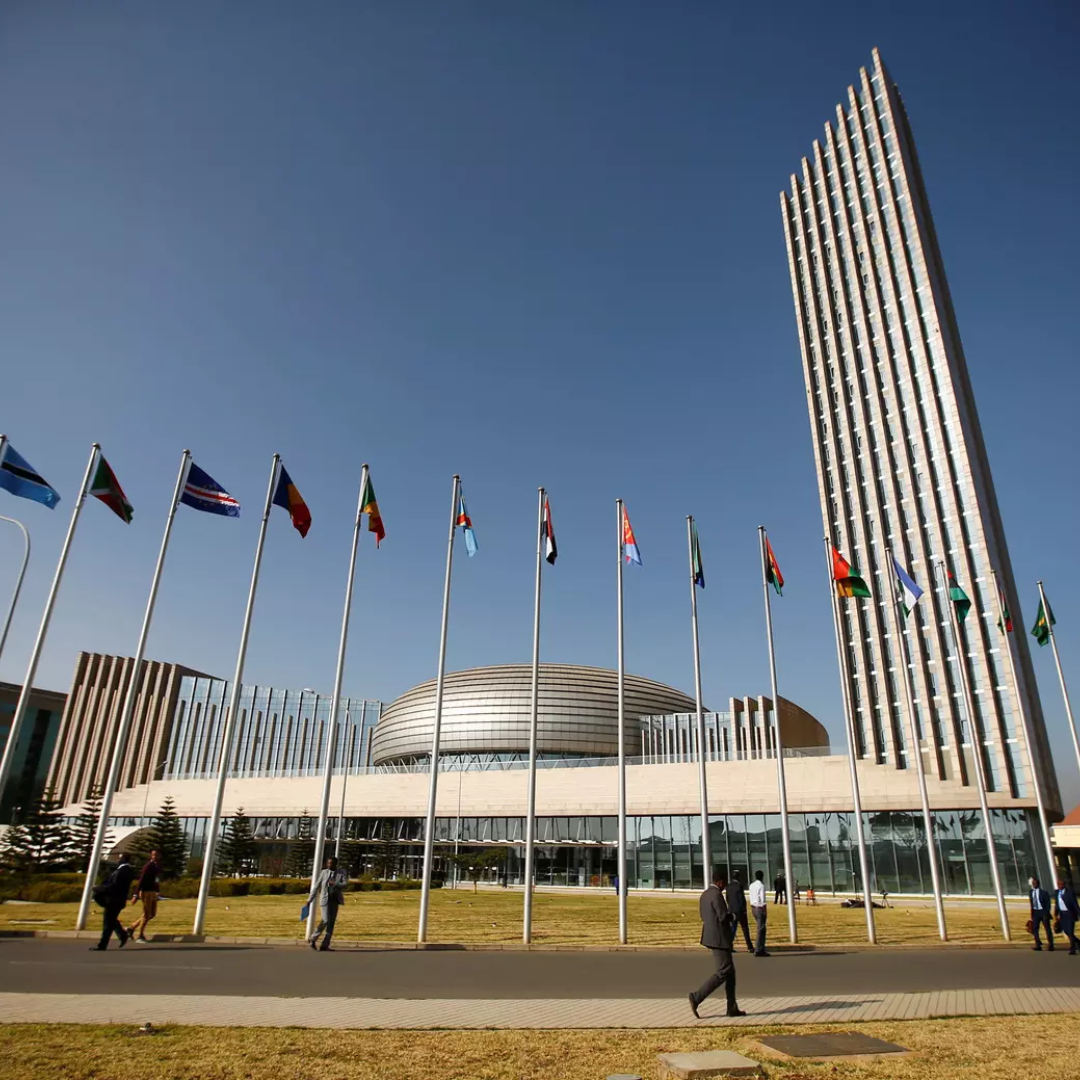
Africa is set to launch its own credit rating agency on Wednesday in a move aimed at providing an alternative to major global ratings companies and potentially reducing the cost of borrowing for African countries.
The Africa Credit Ratings Agency (AfCRA) has been backed by the African Union following nearly a decade of discussions. Based in Mauritius, the agency will assess the creditworthiness of African governments, companies and institutions.
AfCRA is intended to provide an alternative to Fitch, Moody’s and S&P, which have faced criticism over their assessments of African economies.
The African Peer Review Mechanism, which is behind the agency, says 23 African countries are not currently rated by the major international agencies. Supporters of AfCRA also argue that traditional ratings can overlook factors such as Africa’s large informal economies and local reforms.
Nigeria’s President Bola Tinubu has welcomed the initiative, saying African countries are seeking fairer ratings based on their economic fundamentals, rather than favourable treatment.
High Borrowing Costs
Credit ratings can have a major impact on how much countries pay to borrow money.
According to OECD estimates, African countries paid an average of $9 (about R151) in interest for every $100 (about R1,680) borrowed on international markets in 2024. This compared with about $4.70 (R79) for emerging markets in Asia and $6.50 (R109) in Latin America.
The success of AfCRA will ultimately depend on whether investors trust its ratings.
Analysts say one of its first major tests will be whether it is willing to downgrade an African government when the economic evidence requires it.
AfCRA’s founders have pledged that the agency will operate independently of governments. However, investors are expected to judge it on the accuracy and independence of its ratings rather than simply because it is an African institution.
Main Image: The World Economic Forum