Climate experts are warning that a potential “super” El Niño could have devastating consequences for Africa, threatening economic growth, food security and livelihoods across the continent.
According to specialists from the African Development Bank (AfDB), the powerful weather phenomenon could cost affected African countries between $10 billion and $20 billion, while triggering widespread migration from regions hardest hit by droughts and floods.
Anthony Nyong, the AfDB’s Director for Climate Change and Green Growth, said the economic impact could reduce the gross domestic product (GDP) of heavily affected countries by an average of one to two percent. He cautioned that the damage may not be short-lived, with recovery taking several years in some regions.
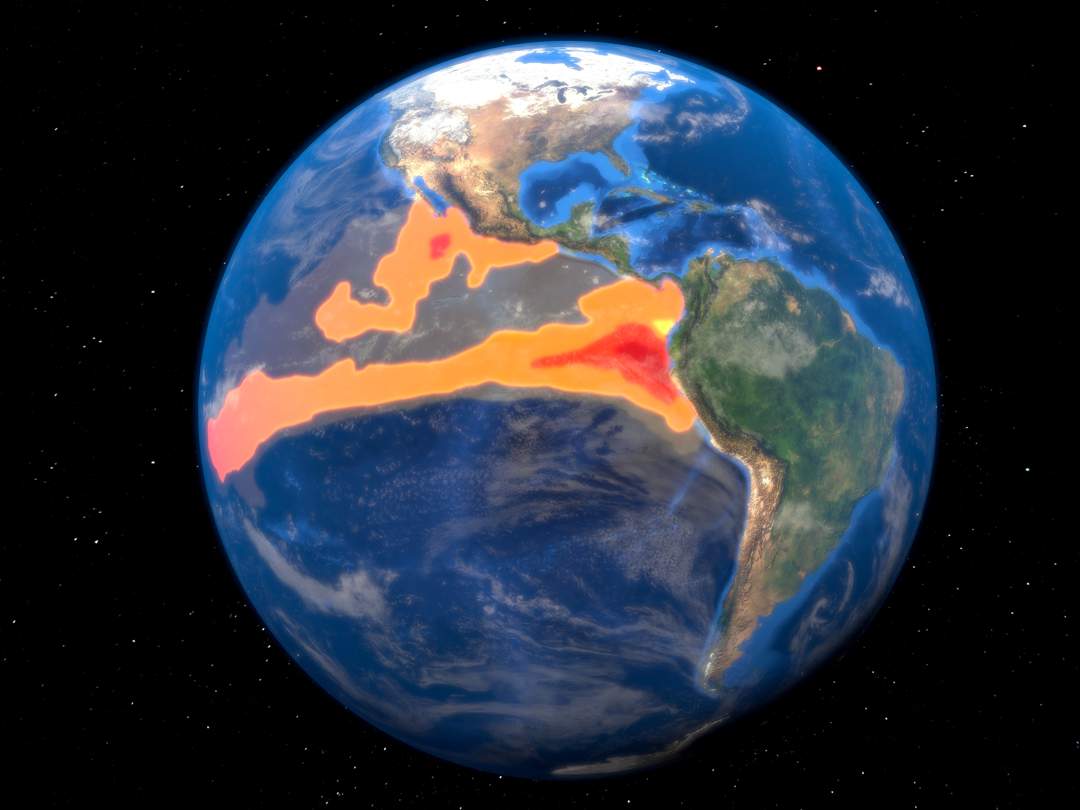
Meteorologists say current warming trends in the Pacific Ocean could produce one of the strongest El Niño events on record.
A “super” El Niño occurs when sea surface temperatures in the central Pacific Ocean rise more than two degrees Celsius above normal levels, disrupting global weather patterns.
For Africa, this often means prolonged droughts across Southern Africa, while East Africa faces above-average rainfall, severe flooding and destructive storms.
The previous El Niño event between 2023 and 2024 caused widespread crop failures, rising food prices and unusually high sea levels that affected coastal communities.
The African Development Bank estimates that farmers across the continent have already lost nearly $330 million in income this year, driven by climate pressures, rising energy costs and disruptions to fertiliser supplies linked to conflict in the Middle East.
Beyond agriculture, experts warn that Africa’s fishing industry could also suffer as warmer ocean temperatures and increasingly severe storms disrupt marine ecosystems and reduce fish stocks.
The combined impact on farming and fisheries could place additional pressure on food supplies, increase inflation and deepen poverty in vulnerable communities.
The AfDB has identified several countries that could experience particularly severe consequences if a super El Niño develops.
These include Sudan, South Sudan, the Democratic Republic of Congo, Somalia, Mali, Burundi and Nigeria, where existing challenges such as conflict, debt burdens and reduced international aid have weakened resilience to climate-related disasters.
Experts warn that worsening living conditions could force large numbers of people to leave affected areas in search of food, water and economic opportunities, increasing migration both within countries and across borders.
As climate risks continue to intensify, development experts are urging African governments and international partners to strengthen disaster preparedness, invest in climate-resilient agriculture and improve infrastructure capable of withstanding extreme weather events.
With forecasts suggesting a powerful El Niño could emerge in the coming months, policymakers face growing pressure to act quickly to reduce the potential humanitarian and economic impact across the continent.
Main Image: News24