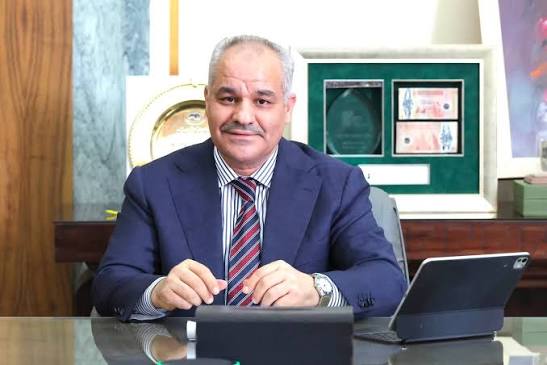
Private broadcaster Al-Ahrar reported on Monday that Issa had confirmed his resignation. Libya’s parliament, based in the country’s east, appointed Issa and deputy governor Miree al-Barasee in September 2024 as part of a United Nations-backed agreement aimed at resolving a major dispute over the country’s central bank and oil revenues.
Issa took over from longtime central bank governor Seddik al-Kabir, whose management of the institution had been criticised by officials aligned with the Tripoli-based administration.
Libya’s financial system remains under pressure
Libya continues to grapple with the political and economic consequences of the conflict that followed the 2011 uprising that ended Muammar Gaddafi’s rule.
The country remains divided between the internationally recognised government led by Prime Minister Abdulhamid Dbeibah in western Libya and a rival eastern administration supported by military commander Khalifa Haftar.
The political split has repeatedly affected Libya’s vital oil industry, which provides the overwhelming majority of government revenue.
Issa’s appointment came after the removal of al-Kabir by authorities in Tripoli in August 2024. The move triggered a major escalation, with the eastern administration declaring force majeure and ordering a suspension of oil production and exports.
Libya’s National Oil Corporation said the disruption reduced national oil production by roughly half to around 600,000 barrels per day.
Oil remains at the centre of Libya’s economy
Libya holds significant oil reserves, but much of its production takes place in the east and south, areas where forces loyal to Haftar have considerable influence.
The country’s competing political authorities have repeatedly clashed over control of state institutions and the distribution of oil revenues, making the central bank a particularly important institution in Libya’s political landscape.
Issa’s resignation now raises questions over the future leadership of the bank and whether his departure could trigger another period of political tension between Libya’s rival administrations.
Libya’s parliament had not immediately issued a public comment on Issa’s resignation.
Main Image: Libya Herald