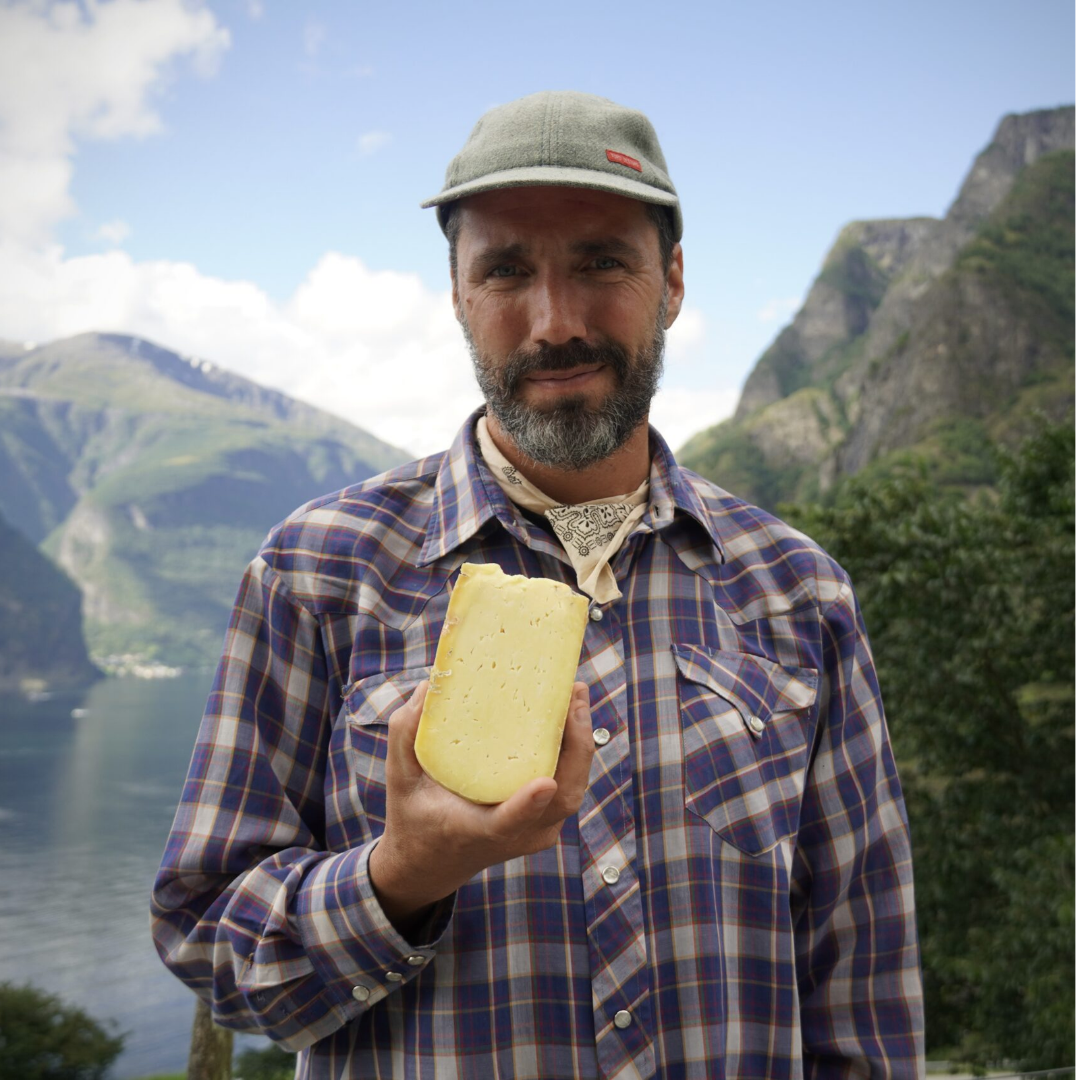
For Trevor Warmedahl, cheese is more than food. It is a way of understanding the people, landscapes and traditions that shape a place.
The former commercial cheesemaker left his job in Seattle after becoming uncomfortable with the distance between the milk he worked with and the animals that produced it. In 2019, he began travelling the world to document traditional cheesemaking practices before they disappear.
His journey took him to more than 20 countries, including Mongolia, Georgia, Bulgaria, Pakistan, Italy, Austria and Cambodia.
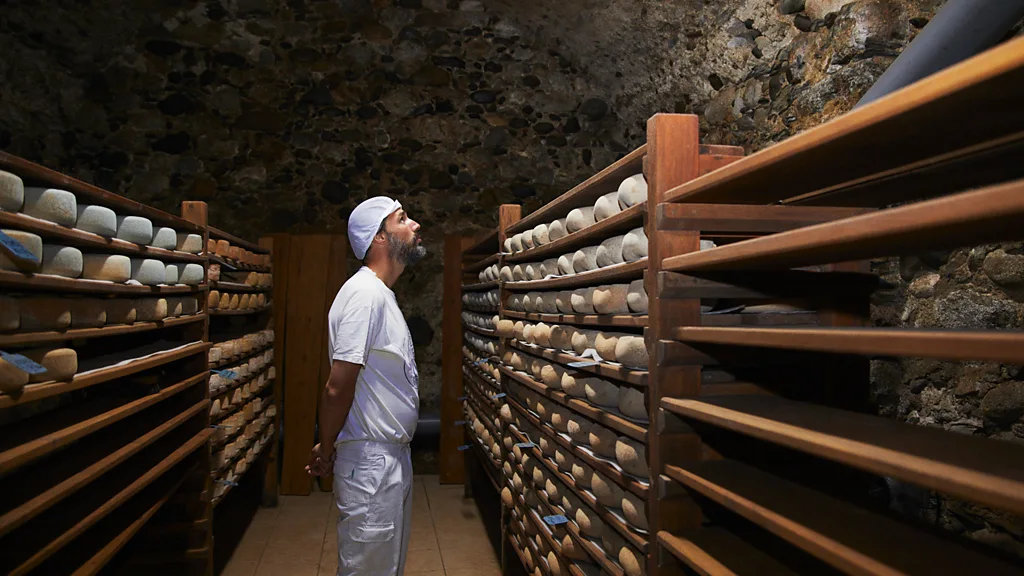
In Mongolia, Warmedahl lived in a yurt and spent time with herder families on the Zavkhan grassland. He learned to milk yaks, followed livestock on horseback and helped make aaruul, a traditional dried curd with a sweet-and-sour flavour.
He also witnessed the cultural importance of dairy in Mongolia, including milk libations performed before cheesemaking and the use of dairy products as symbols of purity.
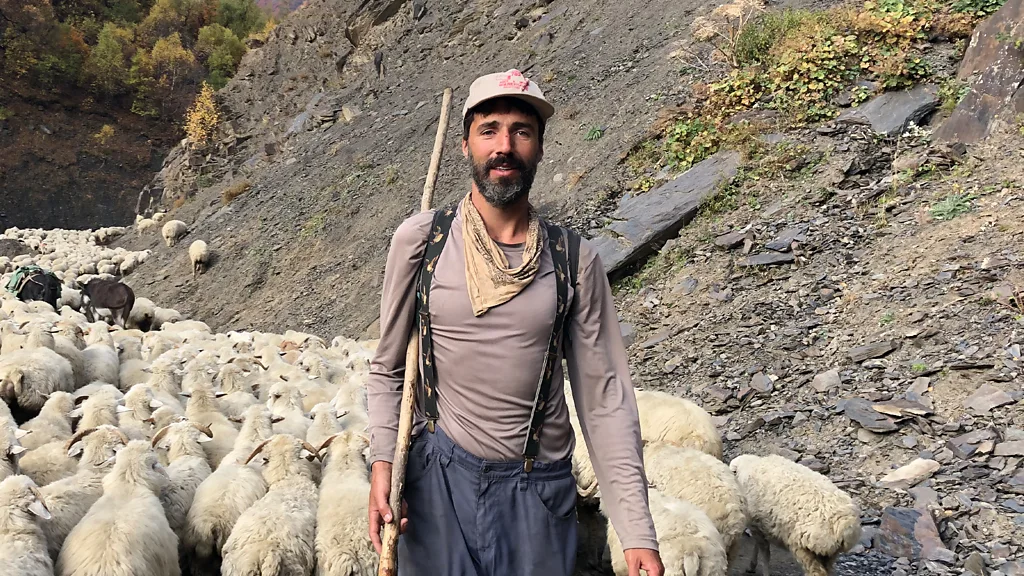
One of his most memorable experiences came in Georgia’s remote Tusheti region, where he stayed with shepherds making Tushuri guda, a feta-like cheese aged inside-out in sheepskins.
At the end of the season, he walked roughly 130km with the shepherds and their flock of about 300 sheep.
For Warmedahl, experiences like these demonstrate why traditional cheese is closely connected to culture.
“Cheese is an edible manifestation of place,” he said, describing it as a product shaped by people, landscapes, livestock and microbial life.
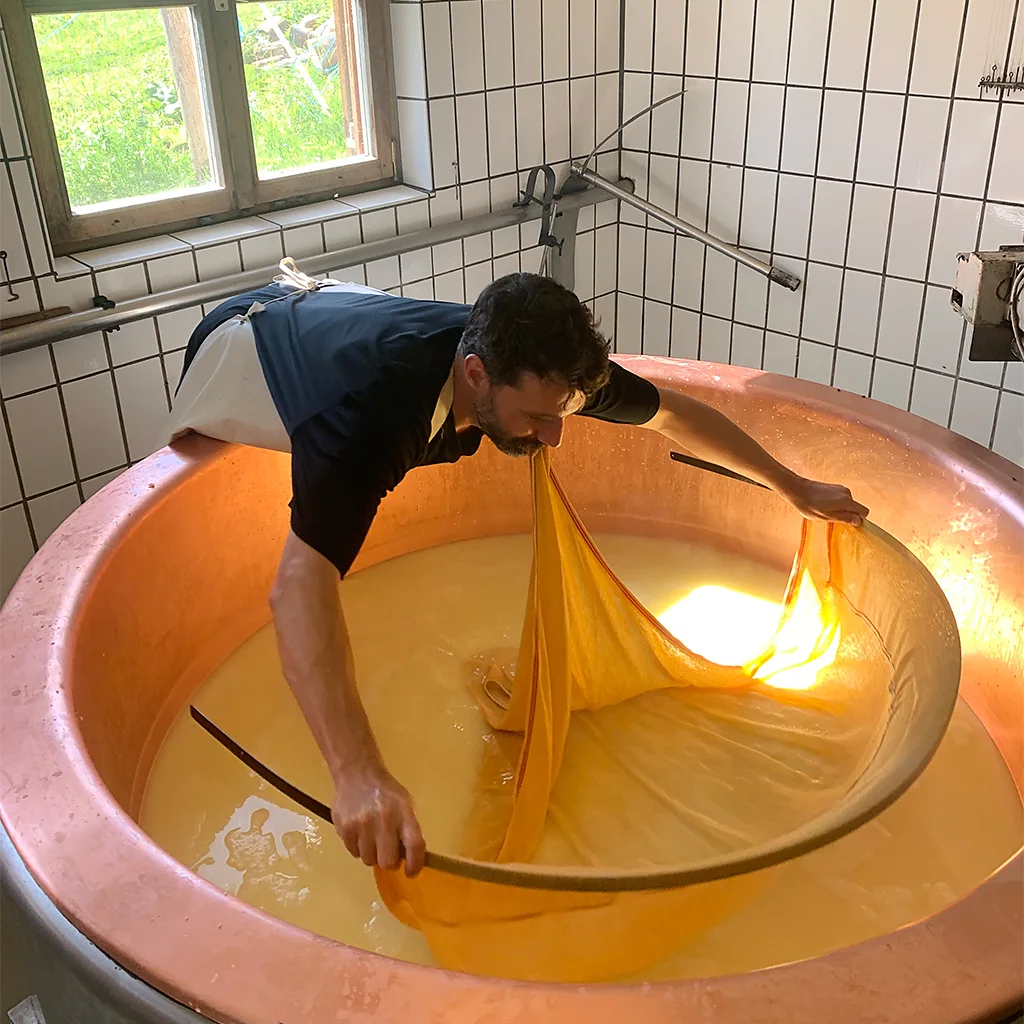
He believes traditional pastoral cheesemaking could also offer lessons for a changing climate. Animals can graze across different landscapes, while farmstead cheeses preserve heritage livestock and longstanding relationships between farmers and animals.
However, Warmedahl says industrialisation is putting much of this diversity at risk.
His travels have also challenged his own understanding of what makes food appealing. He points to Norwegian gammelost, a strongly flavoured cheese he initially disliked, as an example of how taste is shaped by culture.
His advice to travellers is simple: don’t judge a food after trying it once. Instead, approach unfamiliar foods with curiosity and an interest in the culture behind them.
He encourages travellers to find local cheesemakers, cheesemongers and guides, while ensuring that tourism benefits the communities being visited.
Turkey is currently at the top of his list for further exploration. Warmedahl believes its diverse cheese traditions deserve the same international attention often given to Western European cheesemaking.
For him, the journey is ultimately about much more than cheese. It is about meeting people, understanding how they live and discovering the stories preserved in the food they make.
Main Image: BBC Travel