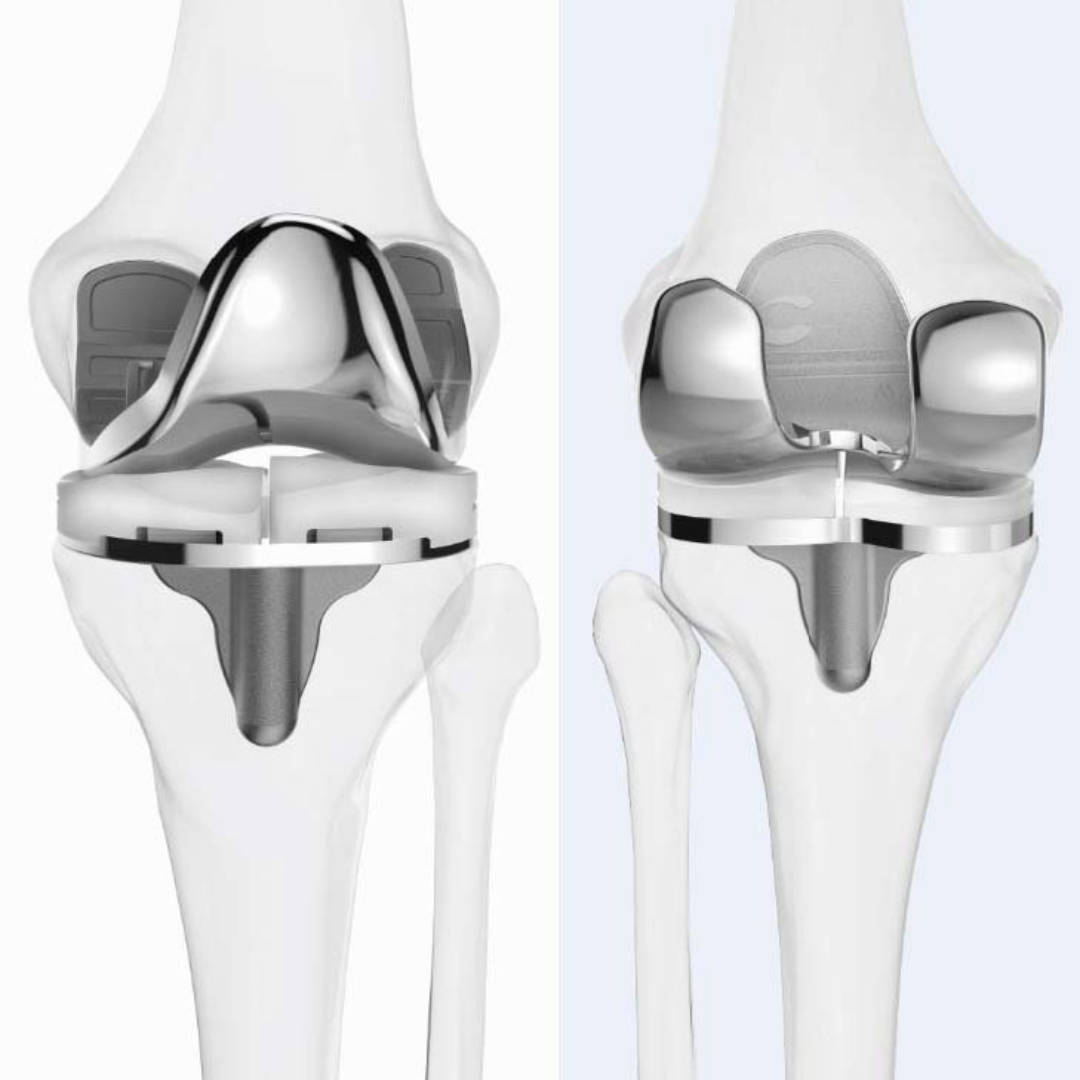
For South Africans living with osteoarthritis, the biggest challenge is not always deciding whether they need a joint replacement. For many, it is managing pain and declining mobility while they wait for surgery or before replacement becomes the right clinical option.
An opinion editorial by Angus Mulder, Commercial Director at Anstem Medical, argues that greater attention should be given to joint-preservation treatments as part of the osteoarthritis care pathway.
A patient with severe knee osteoarthritis may struggle to stand through a work shift, climb stairs, exercise or sleep. Yet deciding when to proceed with a total knee replacement involves more than age. Doctors must consider disease severity, mobility, activity levels, other health factors, patient expectations and the possibility that younger patients could eventually need revision surgery.
South Africa’s public healthcare system adds another layer to the problem. The editorial cites a 2024 study in which one in three patients waiting for knee replacement had been on the waiting list for five years or longer. It also points to Gauteng data showing more than 2,000 patients waiting for arthroplasty at one tertiary hospital in 2024.
This creates a treatment gap for people whose quality of life and ability to work can deteriorate while they wait.
Looking Beyond Surgery
The editorial argues that osteoarthritis treatment should be viewed as a continuum rather than simply a choice between surgery and doing nothing.
Depending on the patient, treatment can include exercise, physiotherapy, weight management, pain medication, anti-inflammatory medicines and intra-articular therapies, alongside surgery when required.
One option discussed is viscosupplementation with hyaluronic acid (HA). HA occurs naturally in healthy joint fluid and helps with lubrication and shock absorption. In osteoarthritis, its concentration and properties can change.
The editorial highlights two single-injection treatments: Monovisc, a high-molecular-weight, cross-linked HA treatment, and Cingal, which combines HA with a corticosteroid for anti-inflammatory action.
According to clinical evidence cited in the editorial, a randomised trial involving 368 people with knee osteoarthritis found that Cingal improved pain and function through 26 weeks following a single injection. The piece also cites a large US healthcare database study involving more than 182,000 patients, which found an association between repeated HA treatment and a later need for knee replacement.
However, the editorial stresses that viscosupplementation does not replace surgery and is not appropriate for every patient.
The Value Of Time
For someone waiting years for a public-sector knee replacement, even several months of improved mobility could make a significant difference.
The same may apply to patients in the private sector who face delays in accessing specialist consultations, investigations and surgery.
For younger patients, preserving function and potentially extending the period before a joint replacement may also have value, given the possibility of needing revision procedures later in life.
The goal, however, should not be to postpone necessary surgery indefinitely.
Instead, the argument is that patients should have access to appropriate treatment options while they wait and should not be expected to simply live with severe pain and declining function.
Anstem Medical says it is working with orthopaedic specialists and other healthcare professionals to improve education around viscosupplementation and its place in osteoarthritis treatment.
Ultimately, effective joint care should be measured by more than what happens in the operating theatre. For South Africans who rely on their mobility to work, care for their families or remain independent, maintaining function during the years before surgery can be just as important.
Waiting for a new knee should not necessarily mean waiting for relief.
Main Image: Cape Hip and Knee