Three film projects from Tunisia, Libya and Zimbabwe have received awards from the Nature, Environment and Wildlife Filmmakers (NEWF) following its partnership with the 17th Durban FilmMart (DFM).
The awards aim to support African-led storytelling about nature, wildlife, climate change and environmental justice, while creating opportunities for filmmakers working across different genres and formats.
The 2026 NEWF DFM Awards recognised three projects: A Touch of Paradise from Tunisia, The Birth of Derna from Libya and Second Bloom from Zimbabwe.
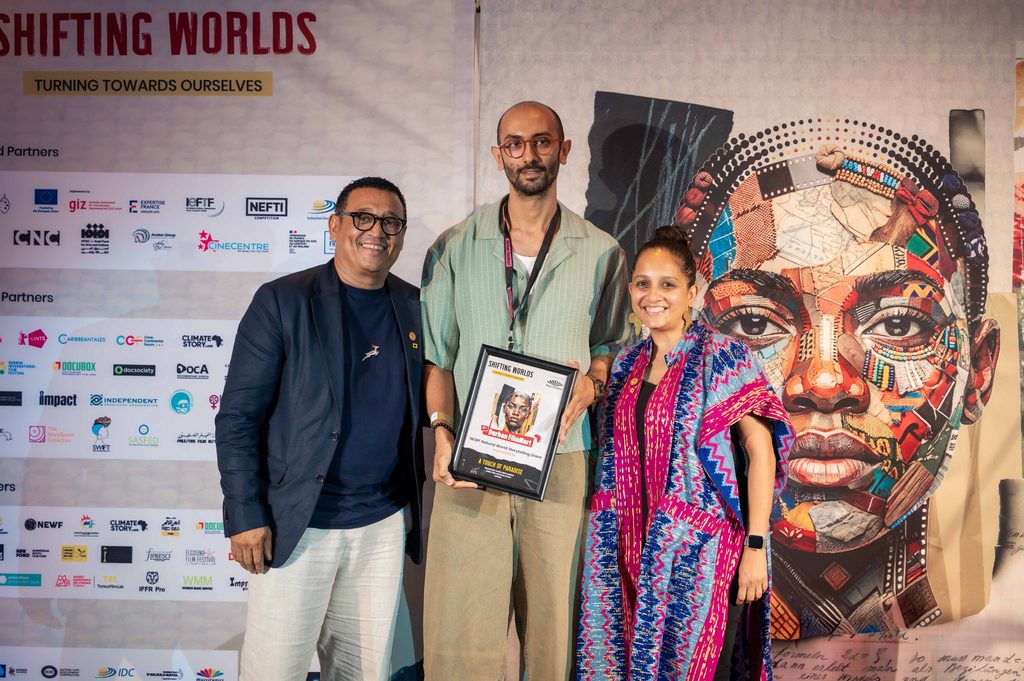
The NEWF Natural World Storytelling Grant, worth US$5,000 (approximately R82,000), went to A Touch of Paradise, produced by Sarra Ben Hassen and directed by Houcem Slouli. The fiction project explores the human consequences of environmental destruction through themes of grief, love and accountability.
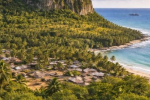
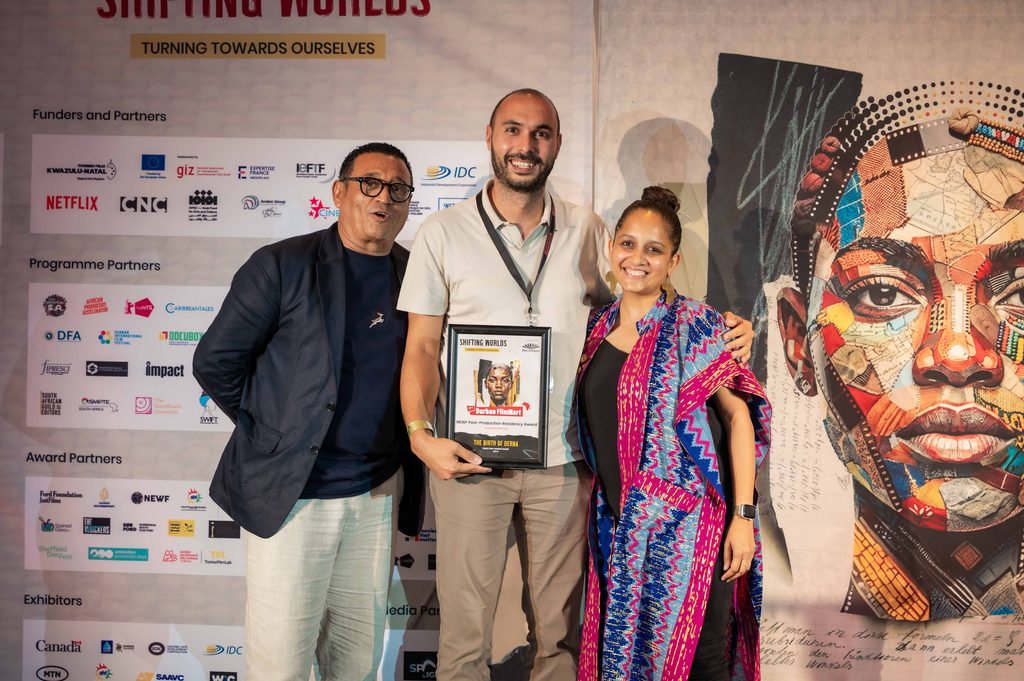
Libyan filmmaker Hussein Eddeb received the NEWF Post-Production Residency Award for The Birth of Derna. The project will receive a residency at eKhaya, NEWF’s Storytelling, Research and Dive Centre, where its team will develop the film’s exploration of climate catastrophe, grief, resilience and renewal.
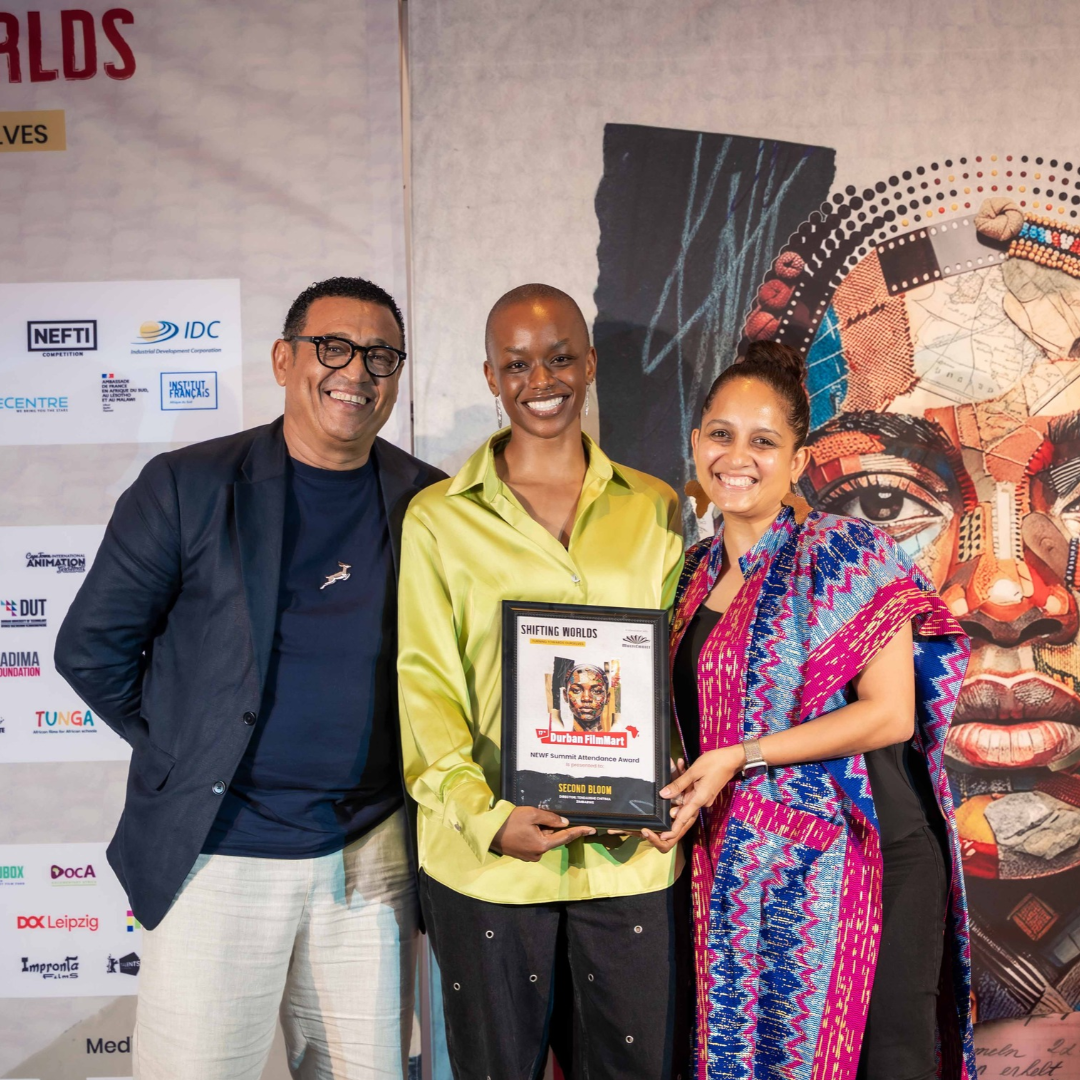
The NEWF Community Award went to Zimbabwean director Tendaiishe Chitima for Second Bloom. The award covers flights and accommodation for the team to attend a future NEWF Lab, residency or Summit.
Correction to the grant conversion: Using the exchange rate on 23 November 2026, the US$5,000 grant is approximately R87,295.
The partnership also extended beyond the awards, with NEWF contributing to the Durban FilmMart programme through its Beyond the Wild panel series. Discussions explored wildlife cinematography, the representation of African spirituality on screen and the changing scope of natural-world storytelling.
NEWF interns also hosted an interactive exhibition called The NEWF Room, which attracted between 50 and 80 delegates. The experience included 360-degree virtual reality, Aquabots, a multiplayer conservation game, and a marine macro-cinematography display featuring live species from Sodwana Bay.
NEWF Co-Founder and Executive Director Pragna Parsotam-Kok said the collaboration created opportunities for filmmakers who may not traditionally identify as environmental storytellers to explore the genre.
She highlighted the importance of African voices in global conversations about nature, wildlife and the environment, adding that environmental stories can take many forms, including documentary, fiction and natural history.
The initiative forms part of NEWF’s broader effort to expand African participation in environmental filmmaking and create more opportunities for stories that connect people, communities and the natural world.
Main Image: Supplied