A United States consortium, Frontier Minerals, has won a mining tender for the development of a major critical minerals project at Mrima Hill in Kenya, following competition involving Chinese and Australian companies.
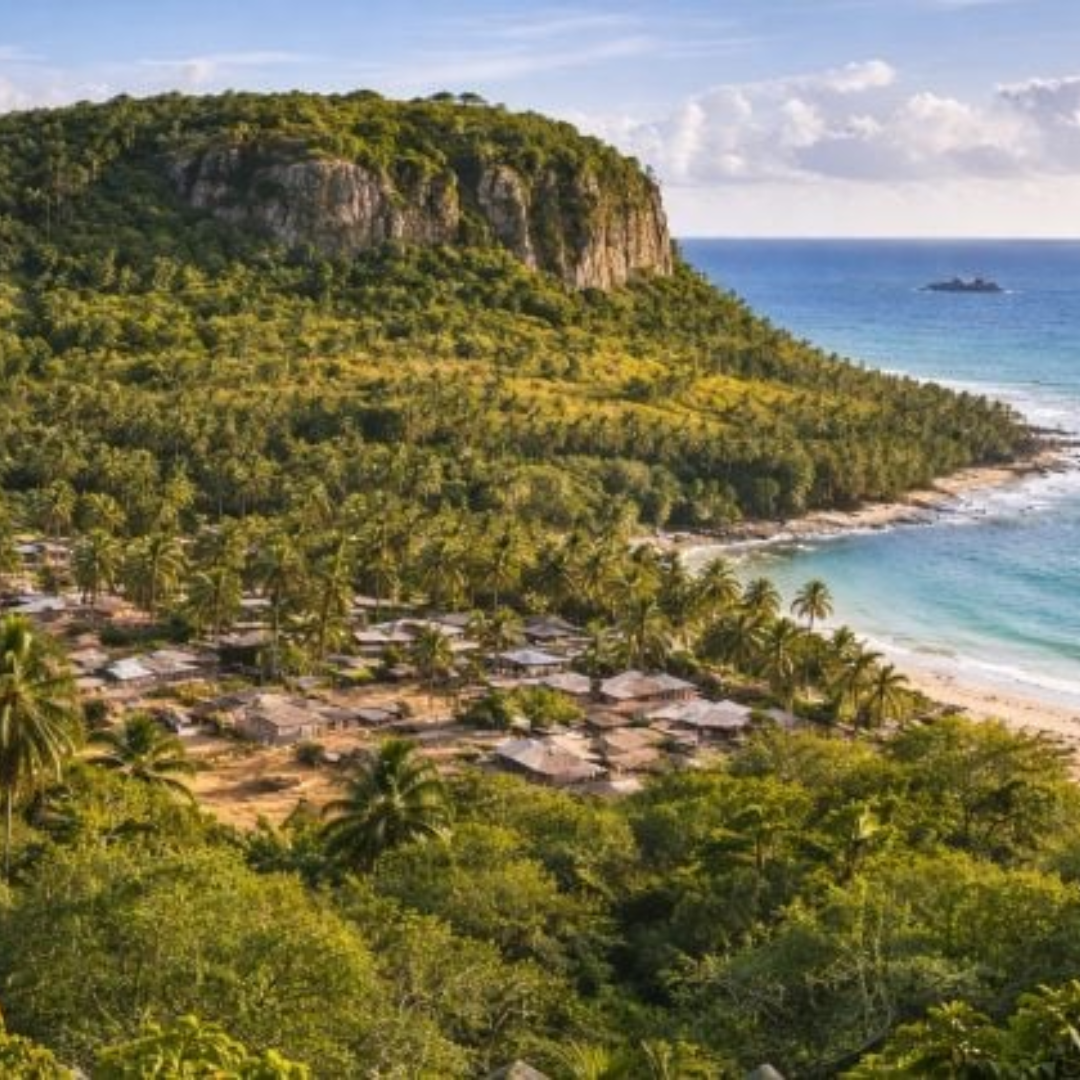
The proposed mine and processing complex in Kwale County, along Kenya’s coast, is expected to target niobium and rare earth elements. Niobium is used in industries such as aerospace, energy and electronics, making the project strategically important as global demand for critical minerals increases.
Kenya’s Ministry of Mining announced Frontier Minerals as the successful bidder, describing the award as an opportunity for local partnerships and stronger regulatory compliance.
The project has attracted international attention amid growing competition between the United States and China for access to minerals needed for advanced manufacturing, energy technologies and computing. US President Donald Trump has made securing critical mineral supplies a key part of Washington’s Africa policy, with Kenya emerging as an important partner.
However, the award has not been without controversy. Australian bidder RareX has indicated that it intends to challenge the decision, alleging irregularities in the tender process.
The mining project has also raised concerns among local communities about environmental damage, land rights and whether residents will benefit from the development.
Environmental And Community Concerns
Mrima Hill is a 390-acre forest that holds cultural and spiritual significance for the local Digo community, including sacred shrines. Residents fear that mining could threaten the forest, disrupt farming activities and affect their livelihoods.
Although reports have placed the site’s potential mineral wealth at more than US$60-billion (approximately R1.05-trillion), experts involved in the tender process have cautioned that the figure is not confirmed. They have also highlighted the potentially high costs of extracting and processing the minerals.
The project has previously been at the centre of legal disputes. Kenya revoked a mining licence granted to Cortec Mining Kenya in 2013, citing environmental and licensing concerns. The company later alleged that the licence had been withdrawn after it refused to pay a bribe, an accusation denied by the then mining minister.
Kenya subsequently introduced a temporary ban on new mining licences in 2019 amid concerns about corruption and environmental damage. The country began issuing new licences again in 2025 as part of efforts to attract investment and reform its mining sector.
The latest award now places Mrima Hill at the centre of a wider contest for access to critical minerals, with questions remaining over environmental protection, community consultation and how local residents will benefit from the project.
Main Image: Capital FM