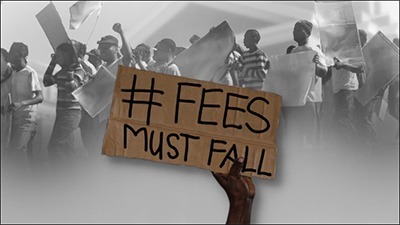
Ten years after the #FeesMustFall movement ignited a national conversation on the cost of higher education, many South African students continue to struggle with accessing and completing their university studies due to financial constraints.
While government funding has expanded over the past decade, thousands of students from the so-called “missing middle” remain caught in a funding gap. These are students whose household incomes are too high to qualify for most financial aid, but too low to comfortably afford tuition, accommodation and other study-related costs.
According to the Ikusasa Student Financial Aid Programme (ISFAP), rising living costs and increasing demand for financial support have intensified the pressure on students and their families.
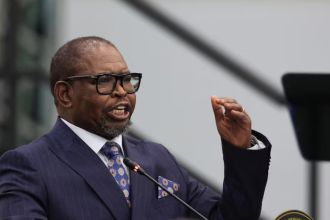
ISFAP CEO Werner Abrahams said the country’s student funding challenges remain unresolved despite years of policy discussions and interventions.
The organisation is advocating for more sustainable funding models that combine financial assistance with academic support, mentorship and psychosocial services to improve student success and graduation rates. ISFAP’s approach focuses on students from disadvantaged and missing-middle backgrounds studying in high-demand fields such as engineering, health sciences and information technology.
Abrahams said addressing the student funding crisis will require greater collaboration between government, higher education institutions, the private sector and philanthropic organisations.
As South Africa marks a decade since the #FeesMustFall protests, the debate has shifted from access to higher education to ensuring that students not only enrol at university but also have the support needed to complete their qualifications and enter the workforce.
Main Image: Global South Media Network