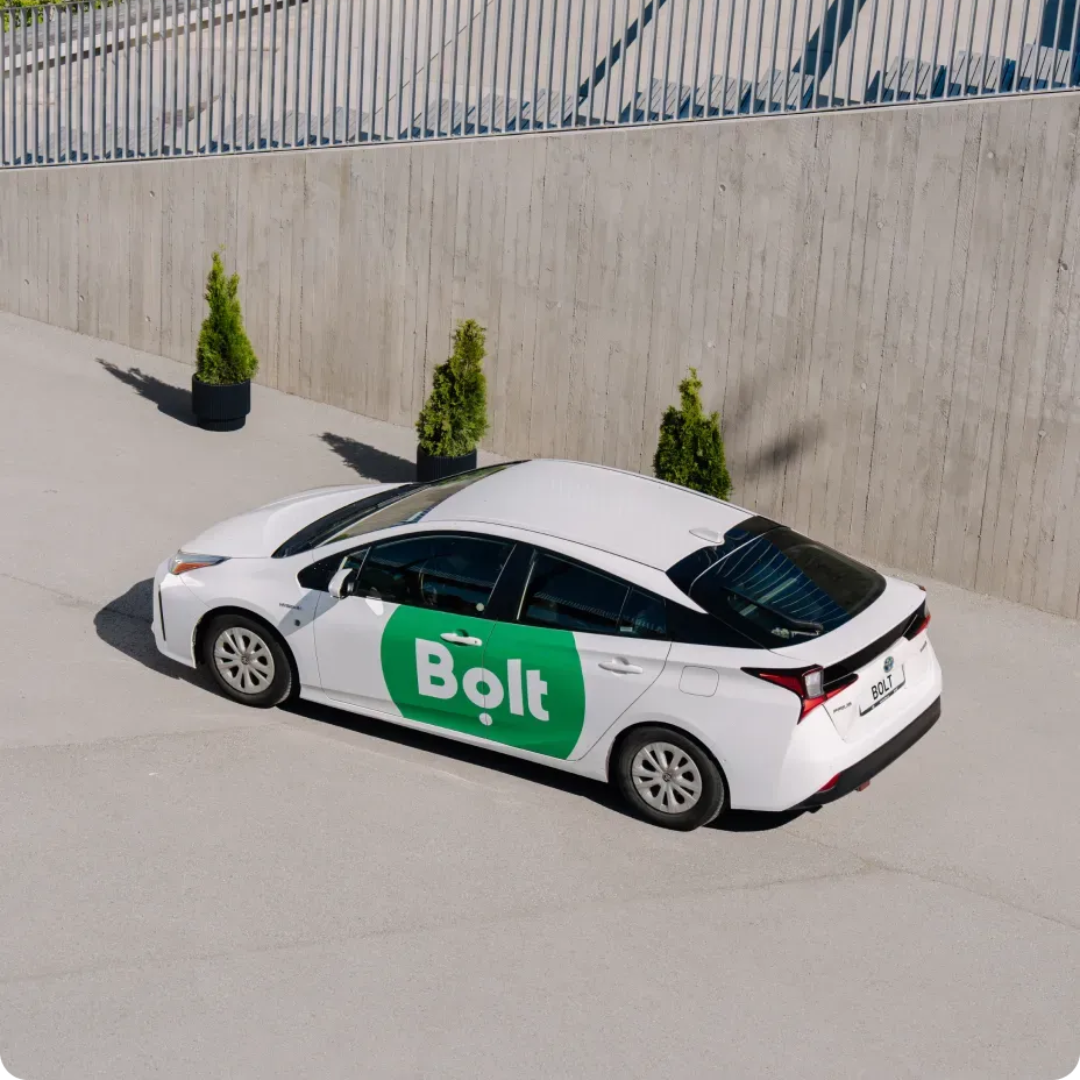
Bolt is taking its regulatory engagement programme to more South African provinces as e-hailing operators navigate new licensing requirements and a changing public transport landscape.
E-hailing platform Bolt is stepping up its compliance efforts across South Africa, engaging operators, regulators and transport authorities over the challenges created by the country’s new regulatory framework.
The company held engagements in the North West and Western Cape this month, with discussions covering operating licences, passenger safety, enforcement and relations between e-hailing services and the minibus taxi industry.
The move comes after Bolt became one of the first major e-hailing platforms to receive a Certificate of Registration from the National Public Transport Regulator in February.
The registration followed changes introduced through the National Land Transport Amendment Act, 2023, and the Second National Land Transport Regulations, 2025, which formally recognise e-hailing as a mode of public transport.
Licensing remains one of the biggest challenges facing operators.
At Bolt’s North West regulatory engagement in Rustenburg on 18 August, the Provincial Regulatory Entity revealed that between 3,000 and 5,000 operating-licence applications are currently pending across the province.
The regulator said more frequent sittings would be needed to tackle the backlog.
More than 150 operators attended the Rustenburg session, which also included representatives from the National Department of Transport, SANTACO, operator associations and other industry stakeholders.
The discussions covered everything from licence applications and association membership to vehicle branding, panic buttons and vehicles registered outside the province.
Bolt has committed to providing authorities with information on the number of active operators in different municipalities as discussions continue around managing applications during the backlog.
Western Cape Makes Licensing Change
The company’s engagement in the Western Cape produced a practical change to the licence application process.
Mark Skriker, director of licensing and adjudication at the Western Cape Mobility Department, committed to including e-hailing as a service option for applicants seeking new operating licences through the provincial government.
For Bolt, the focus is now on ensuring that the new regulations work in practice rather than simply existing on paper.
Fikile Nzuza-Chunga, Bolt South Africa’s senior public policy manager, said compliance needs to extend beyond the platform itself to operators, regulators and the institutions responsible for processing licences.
Rider Verification Gets A Boost
Safety was another major theme during the engagements.
Bolt is expanding rider identity verification across South Africa. The system allows riders to submit their South African ID number and a selfie, with most checks completed automatically.
Where automated verification is unsuccessful, riders may be asked to provide additional identification.
The company says its verification system uses a third-party partner and checks information against Department of Home Affairs records.
While rider verification is currently voluntary, Bolt says stronger identity checks can help improve accountability between drivers and passengers.
The relationship between e-hailing operators and the traditional minibus taxi industry also featured prominently in the discussions.
SANTACO reiterated its support for engagement with the e-hailing sector in the North West, while Western Cape stakeholders explored ways to improve communication and address disputes.
Bolt argues that South Africa’s transport system needs different modes to work alongside each other, rather than compete in isolation.
The Western Cape dialogue also considered the establishment of a Public Transport Industry Working Group to identify shared challenges, clarify responsibilities and track progress.
Bolt plans to extend its regulatory engagement programme to additional provinces, with operator education, rider verification and functional licensing processes remaining key priorities.
The bigger test for South Africa’s new e-hailing framework will now be whether operators can move through the licensing system efficiently while improving safety and cooperation across the broader public transport industry.
As Nzuza-Chunga put it, the success of the new framework will ultimately be measured by whether operators can obtain licences, passengers and drivers are safer, and different transport sectors can work together.
Main Image: Bolt