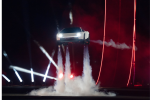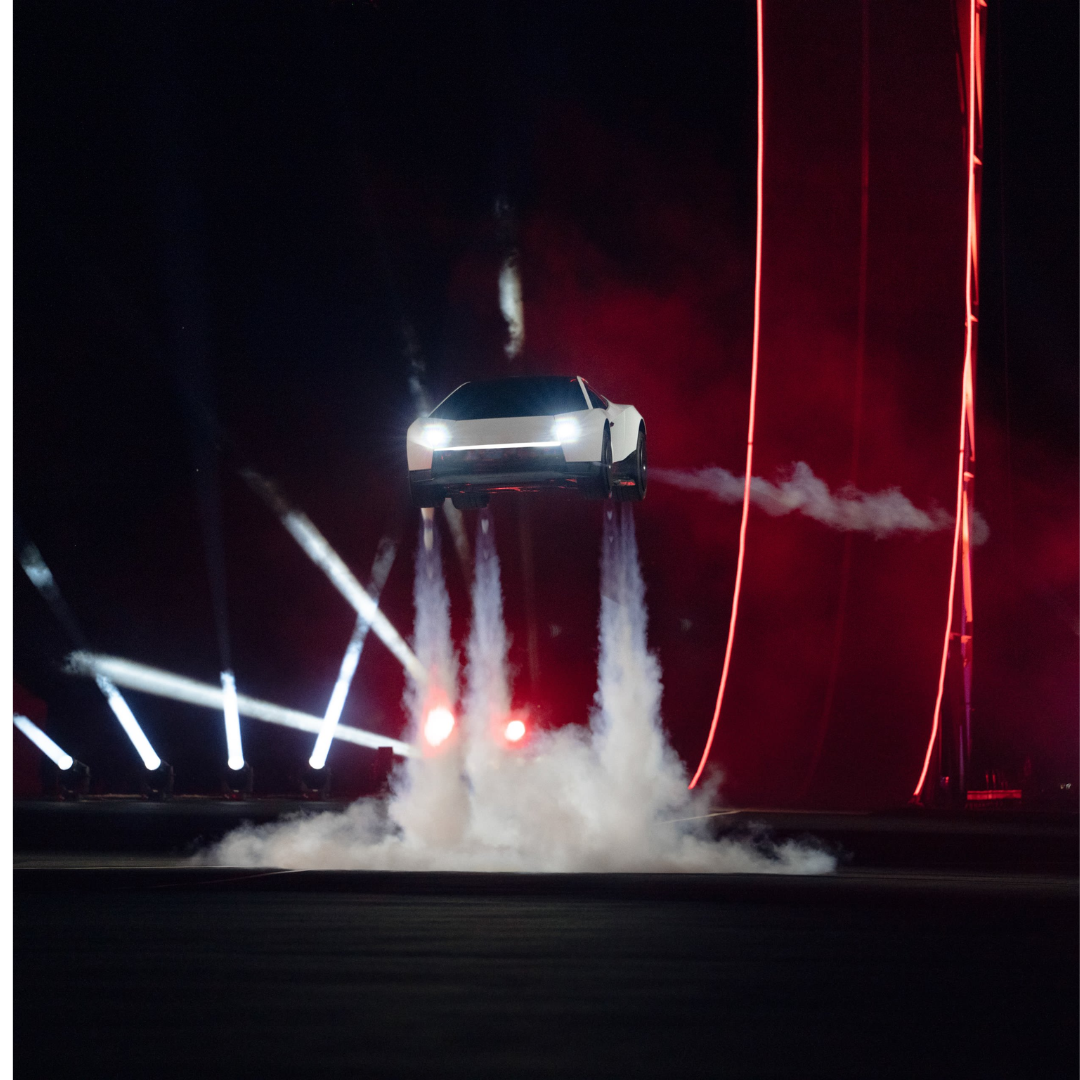
Tesla has unveiled its long-awaited next-generation Roadster, an electric sports car featuring rocket-style thrusters developed in collaboration with SpaceX. The unveiling took place in Texas on 15 October 2026, marking a major milestone for a project first introduced in 2017.
The new Roadster attracted attention with demonstrations showing the vehicle performing dramatic aerial manoeuvres using its thruster system. Tesla says the car can accelerate from zero to 60 miles per hour (approximately 97 km/h) in less than one second in its most powerful configuration and reach speeds exceeding 370 km/h. However, production is not expected to begin until 2028.
A New Chapter For Electric Cars
The Roadster could raise expectations for electric vehicle performance by combining extreme acceleration, advanced aerodynamics and technology inspired by aerospace engineering. Its planned variants include the Performance, Thrust and invitation-only Rocket versions, with the latter featuring a full flight system, according to reports. The practical use of these features on public roads remains uncertain.
For the automotive industry, the vehicle could encourage competitors to invest more heavily in battery technology, performance engineering and innovative designs. However, its high-end positioning means it is unlikely to make electric cars immediately more affordable for ordinary consumers.
What Could It Mean For Tesla And Consumers?
The Roadster could strengthen Tesla’s reputation for innovation and serve as a showcase for its engineering capabilities. Nevertheless, its repeated delays have raised questions about whether the company can meet its latest production target. Tesla has not yet confirmed final prices for the redesigned model, making its eventual affordability difficult to assess.
For South African motorists, the Roadster is likely to remain a niche luxury vehicle rather than an immediate alternative to conventional cars. Its longer-term influence could be felt through technologies that eventually reach more affordable electric vehicles, although this is not guaranteed.
As Tesla looks towards 2028, the Roadster represents an ambitious vision for the future of motoring. Its ultimate impact will depend on whether the company can move beyond impressive demonstrations and deliver a safe, practical and commercially successful vehicle.
Main image: X.com