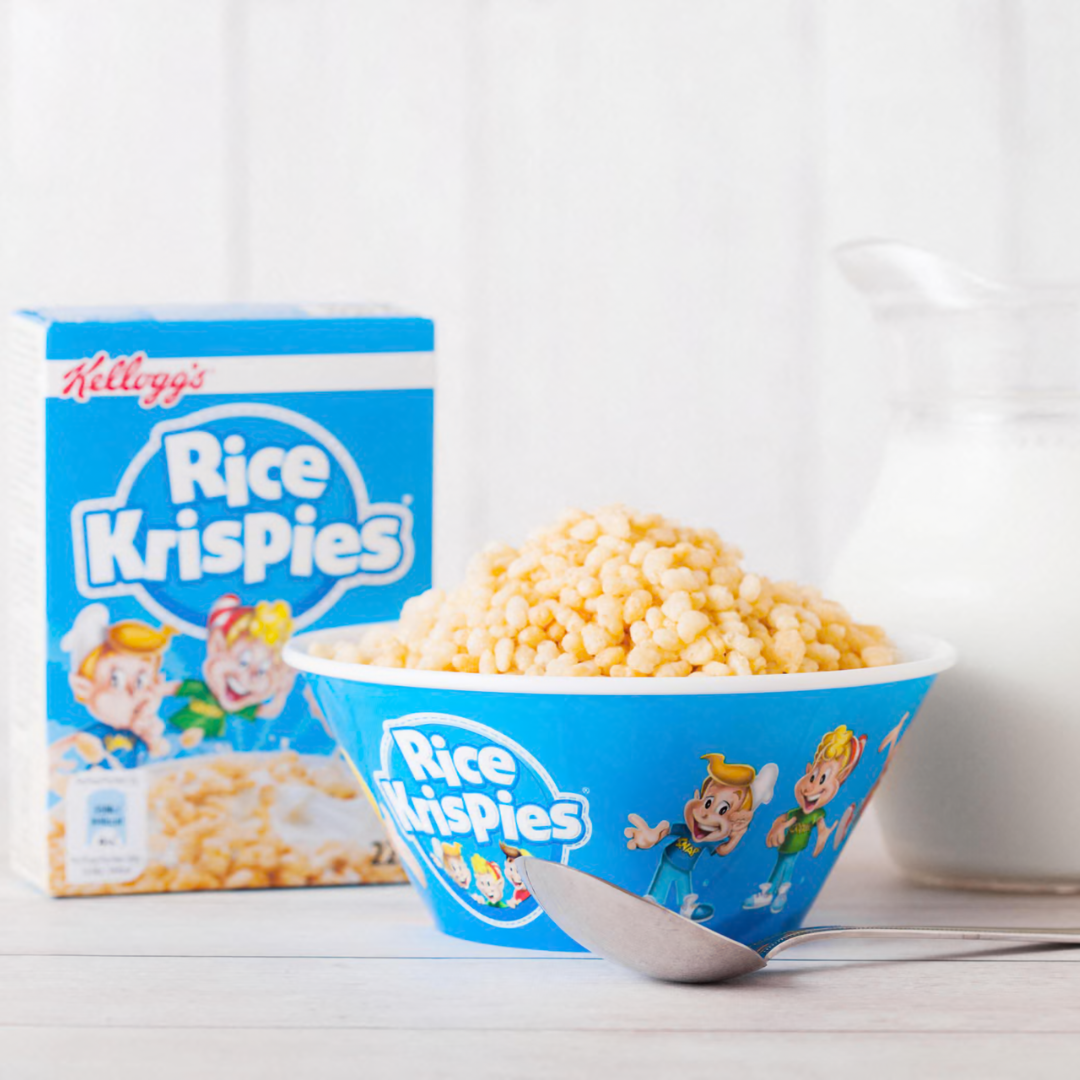
Kellogg’s has introduced a major recipe change to its popular Rice Krispies cereal, removing whole rice from the formulation and replacing it with rice flour. The announcement, reported on 3 November 2026, has drawn attention from consumers, particularly those concerned about changes to the taste, ingredients and nutritional qualities of a breakfast cereal that has been a household favourite for generations.
According to Kellogg’s, the decision was driven by changing weather conditions that have affected the quality and availability of rice and other grains used in its products. The company says the reformulation will help maintain consistent product quality despite the challenges affecting ingredient supplies.
The changes also extend to Coco Pops, which will now use a combination of rice flour and corn flour instead of its previous rice-based recipe. Both cereals will also contain wheat gluten under the updated formulations.
One of the biggest concerns surrounding the changes is the impact on consumers with food allergies and dietary restrictions. Previously, the products carried warnings that they might contain gluten because of possible cross-contamination during manufacturing. However, wheat gluten is now an actual ingredient, meaning the cereals are no longer suitable for people with wheat allergies or coeliac disease.
Kellogg’s has stated that the updated products have undergone assessments for taste, appearance and texture. The company also maintains that the cereals remain free from artificial colours, flavours and sweeteners, while retaining their fibre, vitamin D and iron content.
How Have Consumers Reacted?
The reaction to the Rice Krispies changes has been mixed, with some consumers expressing disappointment and frustration over alterations to a familiar product. In South Africa, an earlier reformulation that introduced vanilla-flavoured multigrain Krispies attracted considerable criticism on social media.
Consumers complained about differences in taste, sweetness and texture, with some parents reporting that their children refused to eat the new cereal. Others questioned the packaging and felt the new product was not clearly distinguished from the original Rice Krispies.
Consumer advocate Wendy Knowler previously highlighted complaints from South African shoppers, while Kellogg’s defended its earlier reformulation by explaining that consumer research had indicated positive responses to the new product.
The latest international recipe change has renewed discussions about whether manufacturers are doing enough to communicate product changes and consider the expectations of loyal customers.
As Kellogg’s continues to monitor consumer feedback, the changes highlight the challenges food manufacturers face when ingredient availability, weather conditions and customer expectations intersect. For many consumers, the main concern remains whether a familiar breakfast favourite can retain the taste and qualities that made it popular in the first place.
Main image: The Guardian