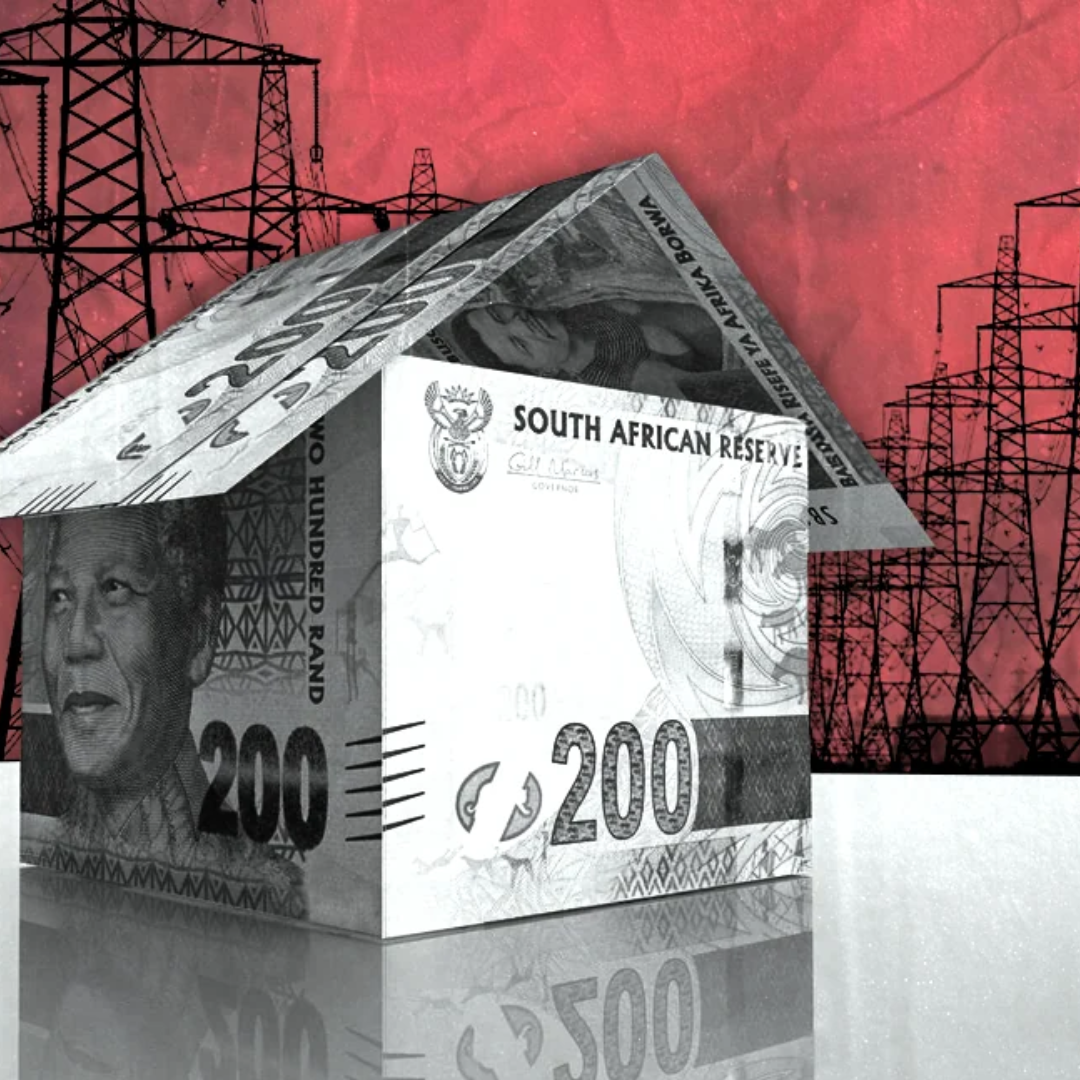
South African households and businesses continue to face mounting financial pressure as electricity prices rise significantly faster than general inflation. A recent report by the Competition Commission has revealed that electricity prices increased by approximately 100.5% between January 2020 and July 2026, highlighting the growing cost of keeping homes and businesses powered.
The figures show that electricity costs have nearly doubled over six years, compared with an overall consumer price inflation increase of approximately 36% during the same period. Between July 2025 and July 2026 alone, electricity prices increased by 8.1%, almost double the country’s headline inflation rate of 4.3%.
The rising costs are largely linked to increasing electricity generation, operating and maintenance expenses, ageing infrastructure, and the need to invest in repairing and expanding the country’s electricity network. These financial pressures have contributed to repeated tariff adjustments approved by the National Energy Regulator of South Africa (NERSA).
For the 2026/2027 financial year, NERSA approved an average electricity tariff increase of 8.76% for Eskom’s direct customers, effective from 1 April 2026. Municipalities purchasing electricity from Eskom received an average increase of 9.01%, effective from 1 July 2026. Individual municipalities may apply their own approved tariffs, meaning the impact on consumers differs depending on where they live.
The increases have significant consequences for ordinary households, particularly low-income families who already struggle to manage essential expenses. Higher electricity bills also affect businesses, manufacturers and agricultural operations, as increased operating costs can eventually translate into higher prices for goods and services.
The Competition Commission has warned that electricity and water remain among the most significant unavoidable expenses for South African households. With limited alternatives for many consumers, rising utility costs continue to place pressure on disposable income and the overall cost of living.
Looking ahead, further electricity tariff increases are expected. NERSA has approved an average increase of 8.83% for Eskom’s direct customers from April 2027, adding to concerns about the long-term affordability of electricity.
As South Africa continues to address its electricity infrastructure and energy challenges, affordability remains a major concern. Consumers are encouraged to monitor their electricity usage, understand their municipal tariff structures and explore energy-saving alternatives where possible.
Main image: Business Tech