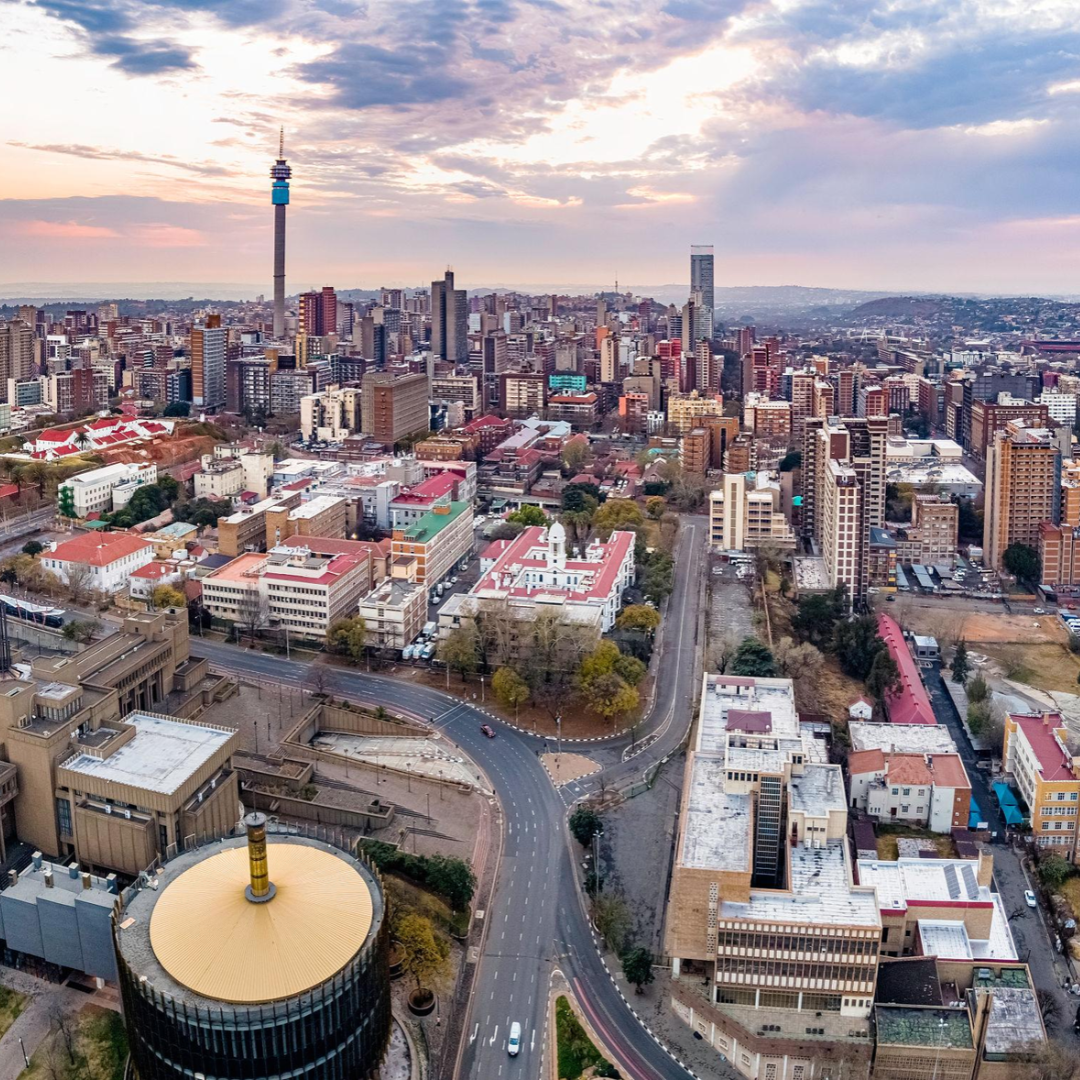
The battle for control of Johannesburg is intensifying as political parties continue negotiations to decide who will lead South Africa’s economic hub for the next five years.
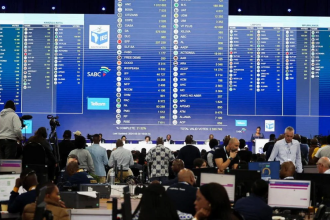
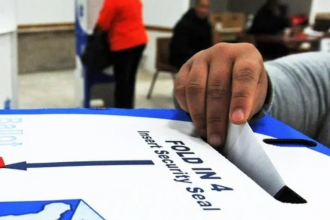
The city’s newly elected council held its first sitting on Monday, 23 November 2026, with 270 councillors from 21 political parties officially sworn into office. However, the election of the mayor, deputy mayor and speaker was postponed to Friday, 27 November, to allow coalition negotiations to continue.
ActionSA leader Herman Mashaba has emerged as a leading candidate for the mayoral position following discussions involving the African National Congress (ANC), ActionSA, the uMkhonto weSizwe (MK) Party and the Economic Freedom Fighters (EFF). The proposed arrangement could see Mashaba return to the mayor’s office, while the MK Party is considered for the deputy mayor position.
The Democratic Alliance (DA), which secured the most votes in Johannesburg, has not given up on its bid to govern the city. The party has put forward Helen Zille as its mayoral candidate and continues to push for support from other parties.
Beyond the political competition, the biggest concern for residents remains the city’s everyday challenges, including water shortages, electricity problems, waste management and deteriorating infrastructure.
For Johannesburg residents, the outcome is about more than political positions. It is about having leaders who can work together, restore confidence and improve services in communities that have waited too long for change.
Main image: The South African