A proposal from some of South Africa’s most prominent business figures, including leaders from the country’s largest mining company, has sparked tensions with Mines Minister Gwede Mantashe, underscoring long-standing divisions between the government and the private sector over mining policy.
The plan — put forward by Sibanye Stillwater CEO Neal Froneman, board member Rick Menell, and other executives advising President Cyril Ramaphosa — suggested offering the United States greater access to Africa’s critical minerals. It was presented ahead of Ramaphosa’s May 21 meeting with U.S. President Donald Trump.
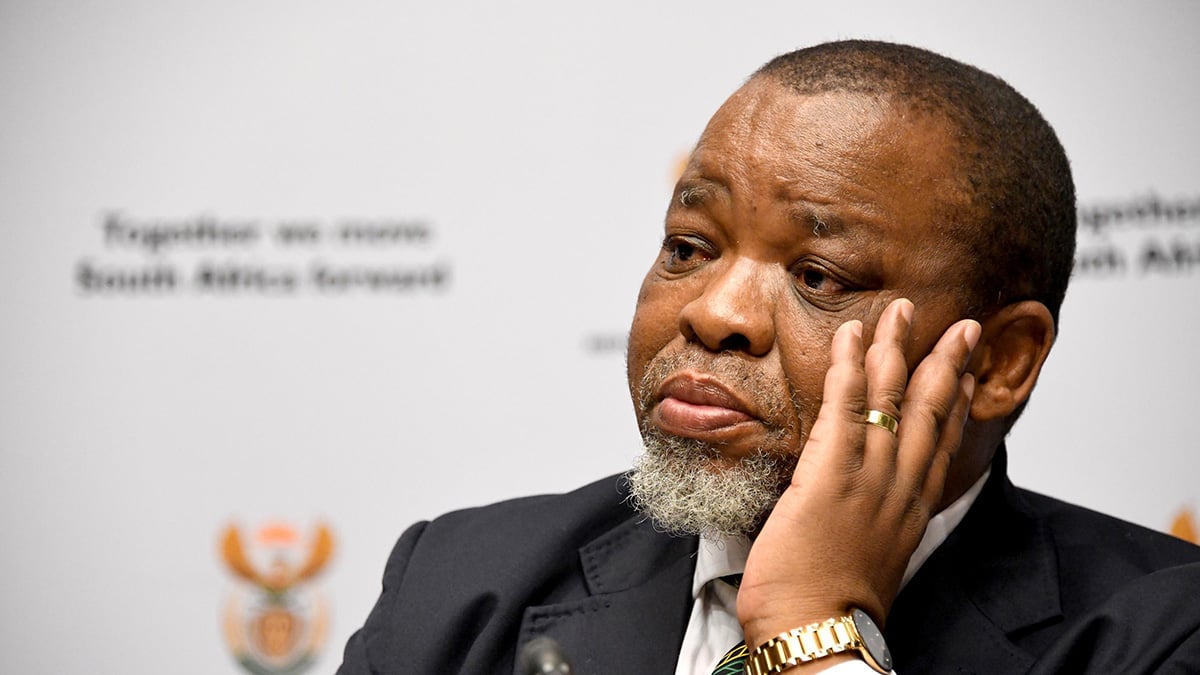
Mantashe opposed the proposal, saying it was developed without consultation from his ministry or the Minerals Council South Africa, which represents most of the nation’s mining companies. “There can be nothing about mining without input from the ministry and the broader industry,” Mantashe said, explaining why he did not support the plan in discussions with Ramaphosa.
According to sources familiar with the matter, the minister viewed the approach as advancing Sibanye’s interests rather than those of the wider industry — a claim Froneman disputes. The industry has repeatedly criticized the government for regulatory uncertainty and administrative delays, including a backlog of more than 2,500 mining applications reported in the 2023/24 financial year.
Mantashe also objected to language in the proposal that included the phrase “make minerals great again,” saying it did not reflect South Africa’s priorities. He emphasized the need for a “cross-cutting strategy for everyone” rather than a U.S.-focused plan. The minister’s own critical minerals strategy — approved by cabinet a day before the Ramaphosa-Trump meeting — prioritizes coal, chrome ore, iron ore, manganese, and platinum, rather than Africa-abundant resources like copper, cobalt, and lithium, which South Africa produces in smaller quantities.
The business leaders’ proposal aimed to position South Africa as a gateway for U.S. access to Africa’s critical minerals and to help improve strained diplomatic ties. Relations between Pretoria and Washington have deteriorated under Trump, who has accused the South African government of “genocide” against white farmers, criticized its alignment with Russia and China, opposed its legal action against Israel, and imposed steep trade tariffs on many South African exports — although mineral shipments have largely been spared.
In 2024, bilateral trade between the two nations totaled $21.6 billion, with South Africa recording a $7.7 billion surplus, IMF data shows. The U.S. remains South Africa’s second-largest trade partner after China.
Froneman said the proposal was broad-based and not designed to benefit any single company, warning that Mantashe’s approach risks discouraging U.S. mining investment. “South Africa-focused critical minerals strategies… are unlikely to deliver any value,” he argued.
It is unclear whether Ramaphosa and Trump discussed the minerals issue during their meeting.
Main Image: Daily Investor