A nationwide strike in Nigeria has led to a significant disruption in the country’s oil production, with more than 600,000 barrels of oil lost. The strike, lasting three days, was triggered by mass layoffs at the Dangote Refinery, one of Nigeria’s largest energy facilities. The Nigerian National Petroleum Company (NNPC) confirmed the impact, stating that production was severely affected during the walkout.
Bayo Ojulari, the NNPC’s upstream chief, said the strike made “optimum production almost impossible” as critical personnel were absent from key oil facilities. The labor unrest resulted in a deferred production rate of approximately 200,000 barrels per day (bpd) during the period.
The Petroleum and Natural Gas Senior Staff Association of Nigeria (PENGASSAN), the country’s main oil union, called the strike in protest of the dismissal of around 800 workers at the Dangote refinery. The union claims the terminations were a retaliatory measure for the workers’ efforts to unionize. In response, Dangote Industries, owned by Africa’s wealthiest individual, Aliko Dangote, argued that the layoffs were part of a restructuring plan. The company accused the dismissed employees of “acts of sabotage.”
The ongoing dispute between the union and Dangote management has escalated tensions in Nigeria’s already fragile oil sector, which has long faced challenges related to worker rights, management practices, and production efficiency.
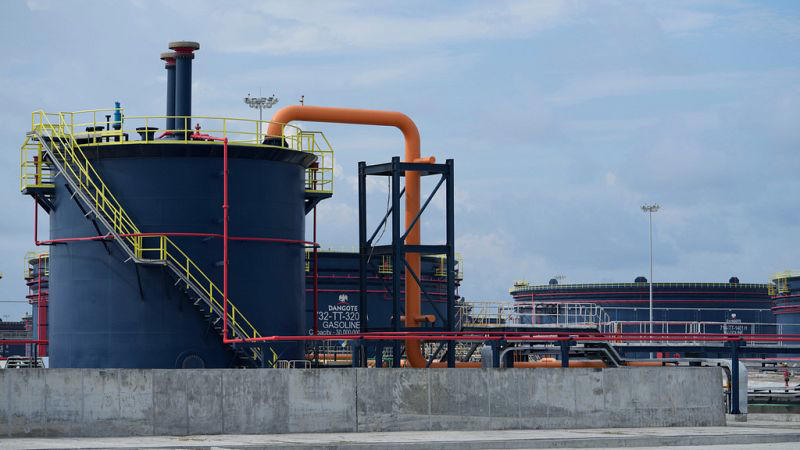
The Dangote refinery plays a crucial role in Nigeria’s oil and gas supply chain, not only serving the domestic market but also providing fuel to several neighboring countries. As the strike halted production, the impact was felt both within Nigeria and across the region. The disruption raised concerns about potential fuel shortages, which could worsen if the strike persists or spreads to other oil facilities.
The strike comes at a particularly sensitive time for Nigeria’s oil industry, which had shown signs of recovery. Prior to the labor unrest, Nigeria’s oil output had improved, with September production averaging 1.68 million barrels per day, a rise from the previous month. Additionally, active drilling rigs in the country increased from 31 in January to 50 by July, signaling a positive trend for Nigeria’s oil sector.
Nigeria’s natural gas production also saw a notable boost, reaching 7 billion cubic feet per day in September. However, the ongoing strike threatens to derail this progress, potentially reversing the gains made in recent months.
The Nigerian government, along with industry stakeholders, will likely be closely monitoring the situation as the strike continues to unfold, with hopes of resolving the conflict before it leads to further disruptions in production and supply.
As Nigeria navigates this latest challenge, the dispute between Dangote Industries and PENGASSAN is casting a shadow over the nation’s efforts to stabilize and grow its oil and gas sector in the face of ongoing global energy shifts.
Main Image: MSN