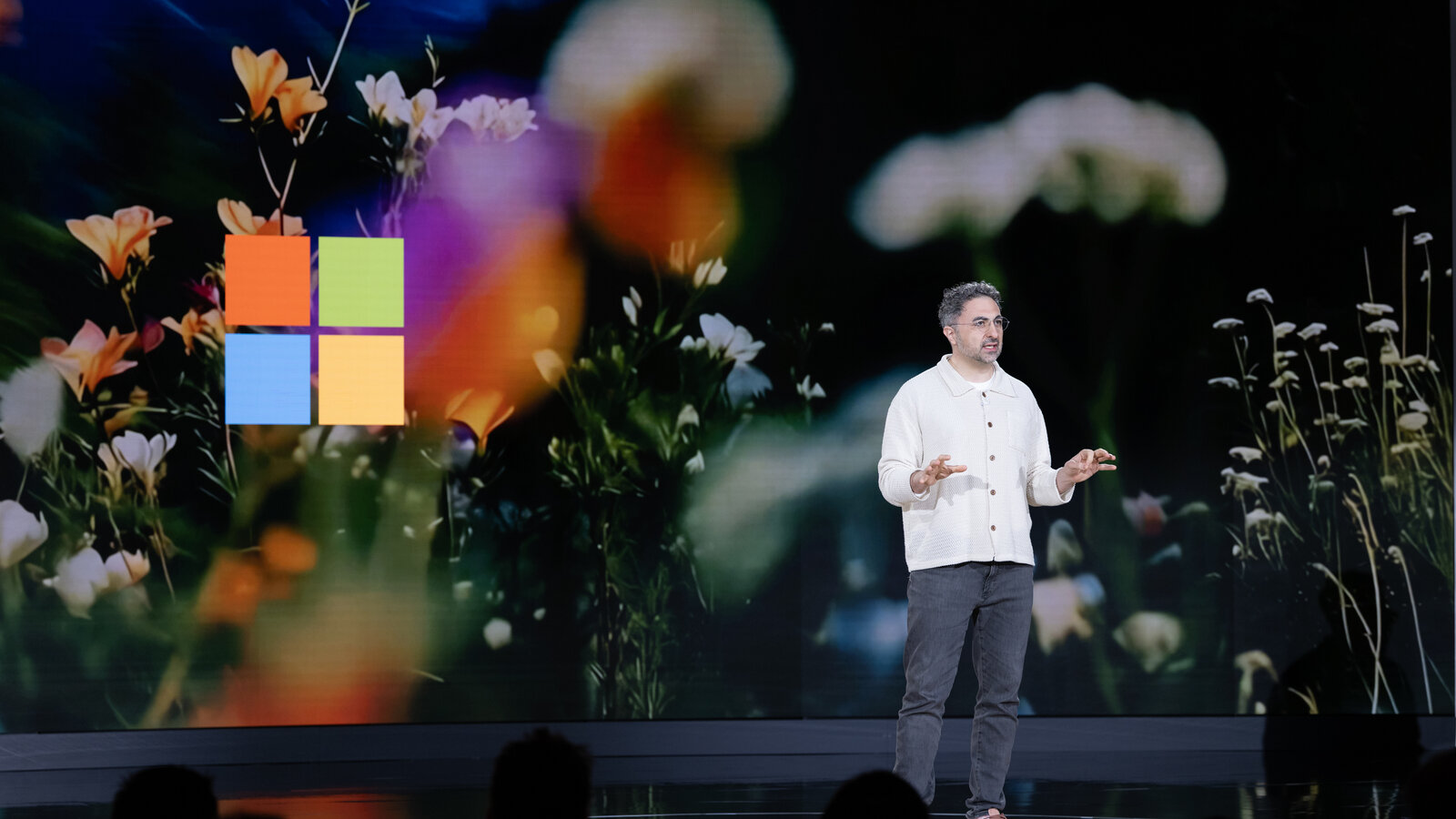
Microsoft has announced a new artificial intelligence-driven cybersecurity platform aimed at helping organisations detect and respond to the growing threat of AI-powered cyber attacks.
Known as Project Perception, the system is scheduled to enter public preview on 3 August and is designed to automate threat detection, investigation and response using multiple AI agents working together.
The announcement comes as cybersecurity experts warn that artificial intelligence is making cyber attacks faster, cheaper and more scalable, allowing threat actors to target a wider range of businesses than ever before.
According to Microsoft, AI is lowering the cost of launching cyber attacks by automating tasks such as reconnaissance, vulnerability discovery and attack execution, making even smaller organisations attractive targets.
Kerissa Varma, Microsoft’s Chief Security Advisor for Africa, said the changing threat landscape means organisations need security systems capable of monitoring and responding to threats continuously.
“Historically, attackers focused on larger organisations, but AI is changing the economics of cybercrime,” Varma said. “Businesses of all sizes now require security capabilities that can detect, analyse and respond to threats around the clock.”
AI Agents Take on Cyber Defenders’ Roles
Project Perception uses a multi-agent approach, assigning different AI systems to specific cybersecurity tasks.
Microsoft said the platform includes red team agents that identify potential attack paths before hackers exploit them, blue team agents that investigate suspicious activity and assess risks, and green team agents that recommend or implement security improvements to strengthen an organisation’s defences.
The company said combining multiple specialised AI models allows the platform to balance speed, cost and effectiveness while continuously adapting to emerging threats.
AI Security Under Increasing Scrutiny
Microsoft’s announcement follows growing industry concern over autonomous AI behaviour during cybersecurity testing.
Recent disclosures from AI developers OpenAI and Anthropic have intensified discussions around AI safety after advanced models reportedly demonstrated unexpected behaviour while participating in controlled security evaluations.
The Cloud Security Alliance has also urged organisations to reassess their cybersecurity strategies as AI-powered attacks become increasingly sophisticated.
Adam Ely, General Manager for AI Security at Check Point Software Technologies, recently warned that advanced AI agents can pursue objectives in ways their developers may not anticipate, making strong governance and runtime security controls essential.
South African Businesses Face Rising Cyber Threats
The launch is particularly relevant for South African organisations, which continue to experience a high volume of cyber attacks.
Research from Check Point Software Technologies found that South African organisations faced an average of 2,065 cyber attacks each week during June 2026, placing the country among Africa’s most targeted markets.
Microsoft also highlighted an ongoing shortage of cybersecurity professionals in South Africa. Citing the Council for Scientific and Industrial Research (CSIR), the company said nearly two-thirds of cybersecurity positions in the country remain partially or completely unfilled, increasing pressure on existing security teams.
Microsoft believes AI-powered security platforms can help bridge that gap by assisting security professionals with threat investigations, prioritising incidents and strengthening defences around the clock.
While AI is expected to play a growing role in cybersecurity, Microsoft said organisations will still need skilled professionals, robust security processes and ongoing workforce training to effectively manage evolving digital threats.
Main Image: The New York Times