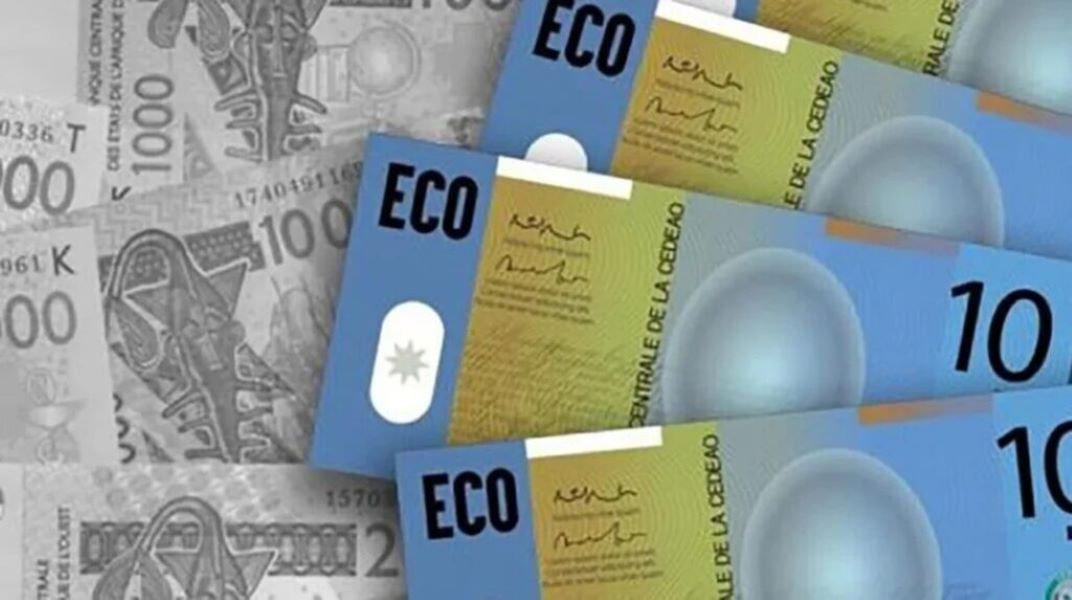
Guinea has announced that it will not join the planned ECOWAS single currency, becoming the first member state to opt out of the regional monetary union ahead of its proposed launch in July 2027.
The Economic Community of West African States (ECOWAS) is preparing to introduce the Eco as a common currency for participating member countries. However, the bloc recently indicated that the rollout will be phased, with only countries meeting key economic benchmarks—including inflation, public debt and monetary stability—joining in the first wave.
Instead of adopting the Eco, Guinea has confirmed it will retain the Guinean franc as its national currency.
Economists say the decision reflects concerns that joining the monetary union too early could limit Guinea’s economic flexibility. The country is still developing its industrial and production capacity, and surrendering control of its monetary policy could make it harder to respond to domestic economic challenges.
Guinea’s trade patterns also differ from many of its West African neighbours. Around 80% of the country’s exports are destined for Asian markets, reducing the potential benefits of sharing a currency with regional trading partners.
According to economist Mohamed Camara, aligning the Guinean franc with neighbouring economies could also reduce the country’s ability to manage its own economic policy and exchange rate.
ECOWAS leaders are expected to meet again in December to address outstanding issues surrounding the monetary union, including the structure of the future regional central bank, governance arrangements and which member states will qualify to adopt the Eco during the initial rollout.
Guinea’s decision highlights the challenges facing one of Africa’s most ambitious regional integration projects as member states weigh the benefits of a shared currency against the need to maintain national economic independence.
Main Image: APA News