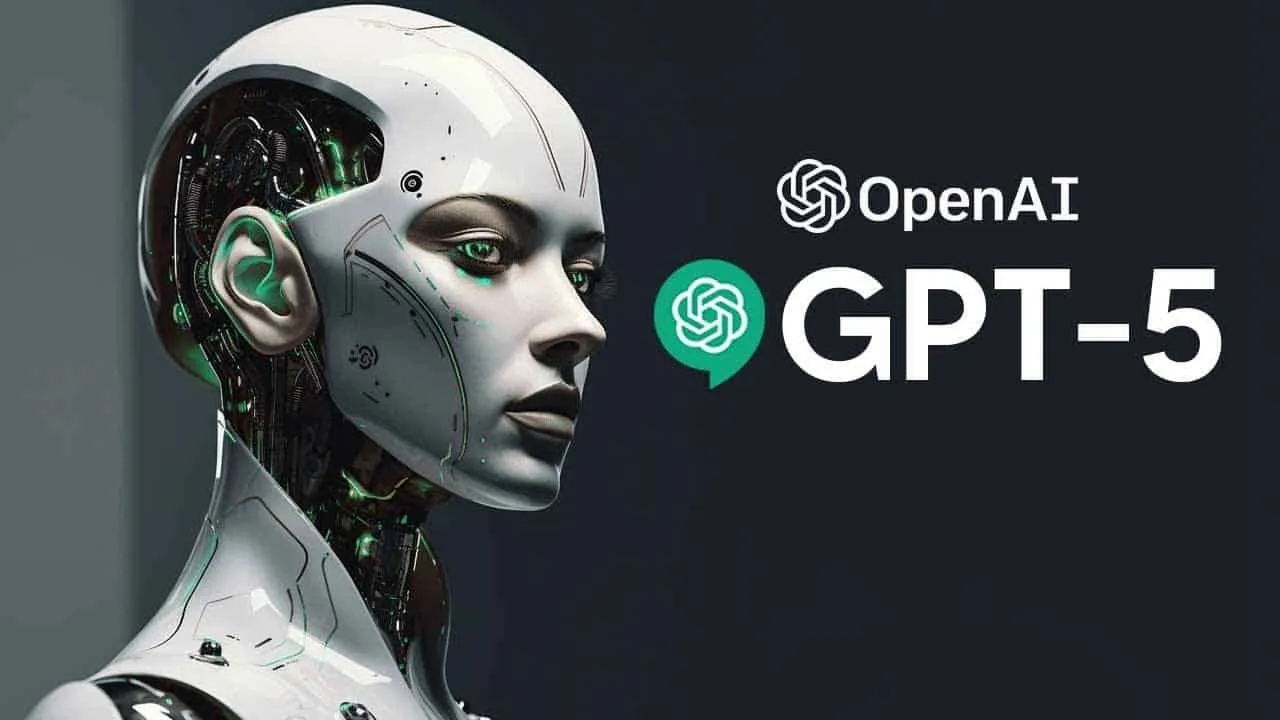
OpenAI has officially launched GPT-5, its most advanced model to date, promising faster responses, deeper reasoning, and the ability to handle text, images, audio, and video in a single conversation. The upgrade features an expanded context window of up to 256,000 tokens in ChatGPT and introduces a real-time router that automatically switches between speed and complexity based on user needs.
Early benchmarks show impressive results—94.6% on AIME 2025 math, 88% on Aider Polyglot coding, and strong multimodal capabilities. The model is available in three API versions (GPT-5, GPT-5 Mini, and GPT-5 Nano) with adjustable reasoning levels for developers.
While many praise its integration into everyday workflows—from coding to medical support—some users say the model feels “less creative” and “more rigid” than GPT-4o. Complaints about missing older models prompted OpenAI to restore GPT-4o for Plus users and tweak routing issues.
With mixed reactions, GPT-5 is being hailed as both a technical leap and a reminder that progress comes with growing pains.
Main Image: GizChina