Zimbabwe has reached a major milestone in its mining and industrialisation strategy with the launch of Africa’s first lithium sulphate processing plant, strengthening the country’s ambition to move beyond exporting raw minerals and build a local battery manufacturing industry.
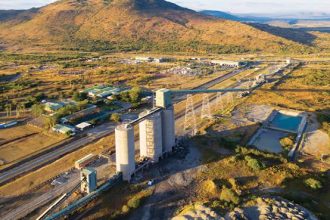
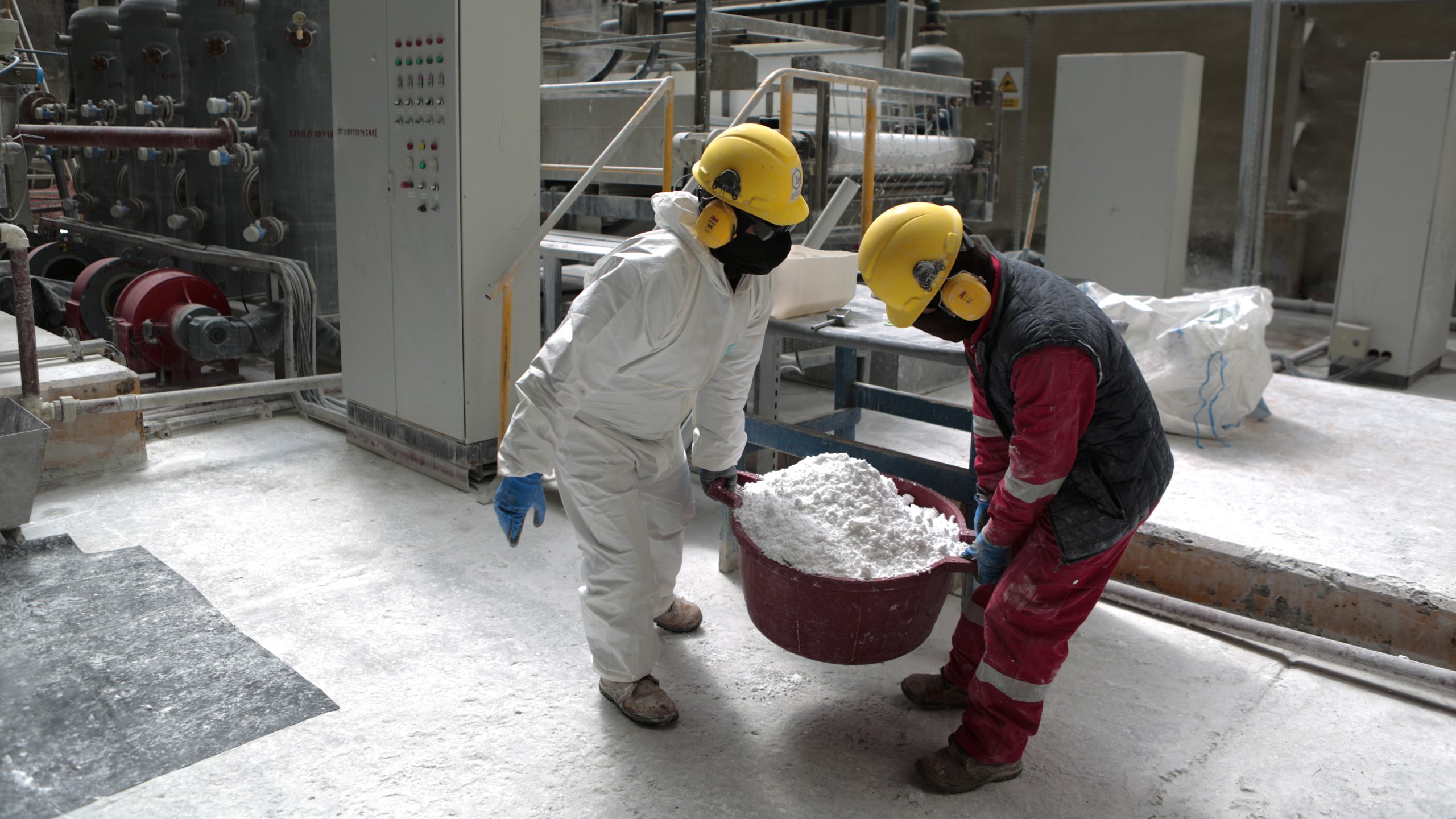
The new facility, located in Goromonzi, about 30 kilometres east of Harare, became fully operational in May after a $400 million investment by Prospect Lithium Zimbabwe (PLZ). The plant is the first of its kind on the continent and represents a significant step towards producing higher-value lithium products used in rechargeable batteries.
Emmerson Mnangagwa said Zimbabwe is determined to end the practice of exporting its mineral wealth without processing it locally.
Speaking at an industrialisation conference, the president said the country would prioritise domestic beneficiation to create jobs, grow exports and ensure Zimbabwe captures more value from its natural resources.
Earlier this year, the government suspended exports of raw lithium concentrates and announced a full ban on such exports from January 2027, requiring mining companies to process the mineral within the country before shipping it overseas.
Zimbabwe is Africa’s largest producer of lithium, a critical mineral used in electric vehicle batteries and renewable energy storage systems.
According to Mines Minister Polite Kambamura, construction of a lithium carbonate refinery—the next stage in the processing chain—is nearly complete. The government also expects several additional lithium sulphate plants to be operational before the export ban takes effect.
Officials say the long-term vision extends beyond mineral processing to manufacturing lithium batteries and solar panels within Zimbabwe, creating a more advanced industrial sector.
The government’s value-addition strategy will also apply to several other critical minerals, including cobalt, platinum group metals and rare earth elements. Beginning next year, these resources will also be subject to restrictions on raw exports as Zimbabwe seeks to encourage domestic processing and manufacturing.
The policy is designed to maximise the long-term economic benefits of the country’s mineral wealth by attracting investment, creating skilled jobs and increasing export earnings.
Zimbabwe’s shift towards local beneficiation has already attracted significant investor interest. Industry experts estimate that more than $1 billion has been invested in the country’s lithium sector since restrictions on raw mineral exports were introduced.
Analysts believe the strategy could help transform Zimbabwe from a supplier of raw materials into a regional hub for battery materials and clean energy manufacturing, positioning the country to play a larger role in the rapidly growing global electric vehicle supply chain.
Main Image: Business Insider Africa